How to Make Your Home Aesthetic: The Changes That Actually Work
At some point most people look around their apartment and realise it looks less like a home and more like a holding area for Amazon deliveries. There are things that arrived and never found a place. Things that have a place but the place is wrong. A shelf that’s somehow both full and unsatisfying. Surfaces that accumulate without any particular intention.
The gap between a space that looks like someone lives in it thoughtfully and a space that just looks lived in is not budget. It’s not square footage. It’s cohesion – the sense that the things in a space are there because someone made a decision, not because they landed and stayed.
You don’t need to renovate. You don’t need to buy expensive new furniture. You mostly need to edit.
Key Takeaways
– 82% of homeowners say their home environment directly impacts their mood and mental wellbeing, according to Houzz research.
– Natural light is the single most cited factor for feeling good in a home, per the Velux Healthy Buildings Barometer.
– Indoor plants reduce psychological stress
– Cohesion – a consistent visual language – matters more than any individual purchase or design element.
What “Aesthetic” Actually Means in Home Design
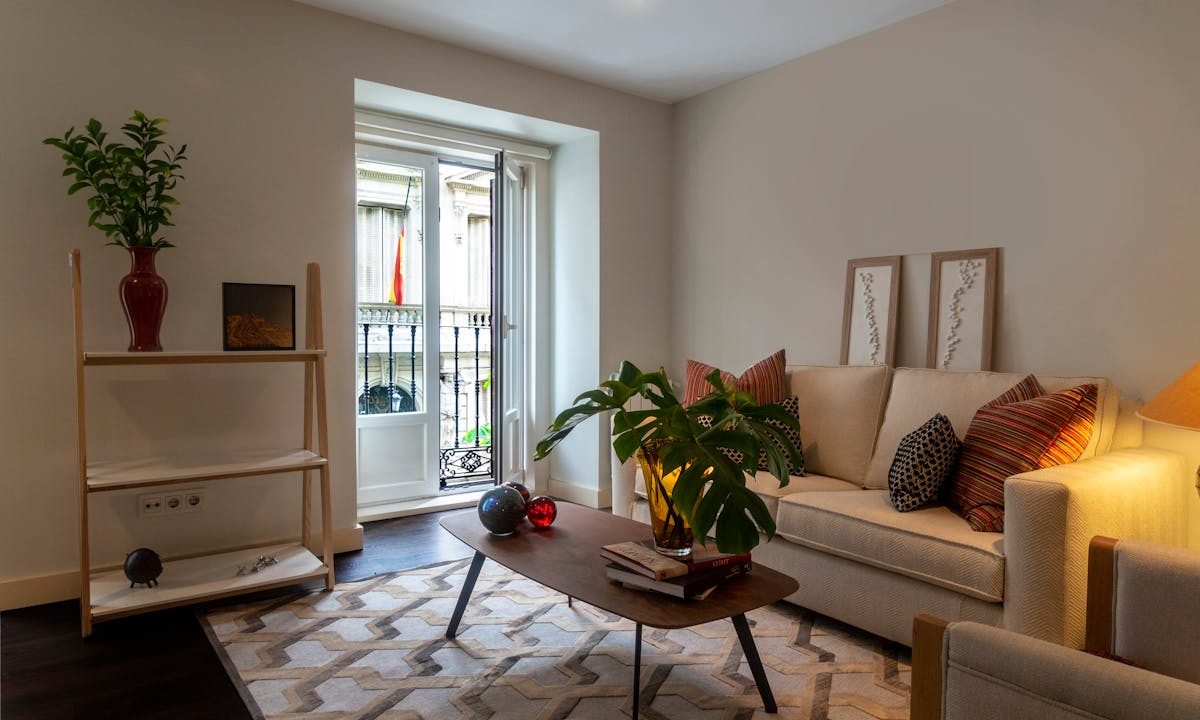
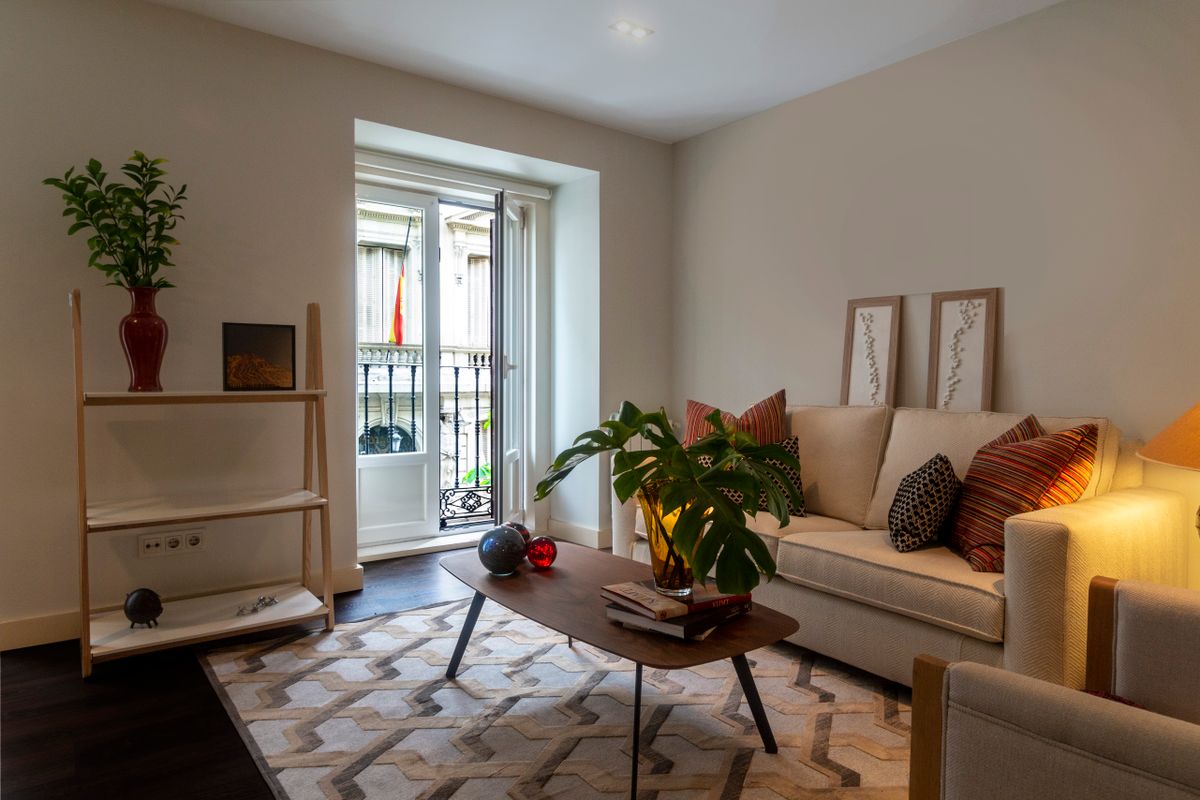
An aesthetic home isn’t a Pinterest board made physical. It’s not a specific colour palette or a particular style you need to fully commit to. What it actually means is visual coherence: the sense that the things in your space relate to each other, that someone made considered choices, and that the space has a consistent feeling rather than a randomly assembled one.
A room with ten different competing styles, textures, and tones creates visual noise. Your brain processes that noise as a mild, persistent effort that reads as “chaotic” even when you can’t articulate why. A room with fewer, more considered elements creates the opposite effect. Houzz research consistently finds that 82% of homeowners report their home environment directly affects their mood and mental wellbeing. That isn’t surprising. You spend most of your waking life in your home. The visual environment you live in shapes how you feel in ways that accumulate quietly over time.
“Aesthetic” doesn’t mean minimal, or maximalist, or any particular style. It means your space has a language. That language can be warm and layered or clean and spare – either works, as long as the elements inside it are speaking the same dialect.
Why Light Is the Variable That Matters Most
Before you buy a single thing, look at the light in your space. Natural light is the factor most homeowners consistently cite for feeling good in a room. This isn’t aesthetic preference. It’s physiological. Natural light regulates your body’s circadian rhythm, affects mood, and changes how every other element in a room looks and feels.
The most significant thing in most spaces isn’t the furniture – it’s what’s blocking the windows. Heavy curtains that never open, furniture positioned against windows, window sills covered in clutter. Clear them. If your space has limited natural light, the goal becomes maximising what you have: lighter-coloured walls that reflect rather than absorb light, mirrors positioned to bounce light around the room, sheer curtains instead of blackouts in rooms where you don’t need full darkness.
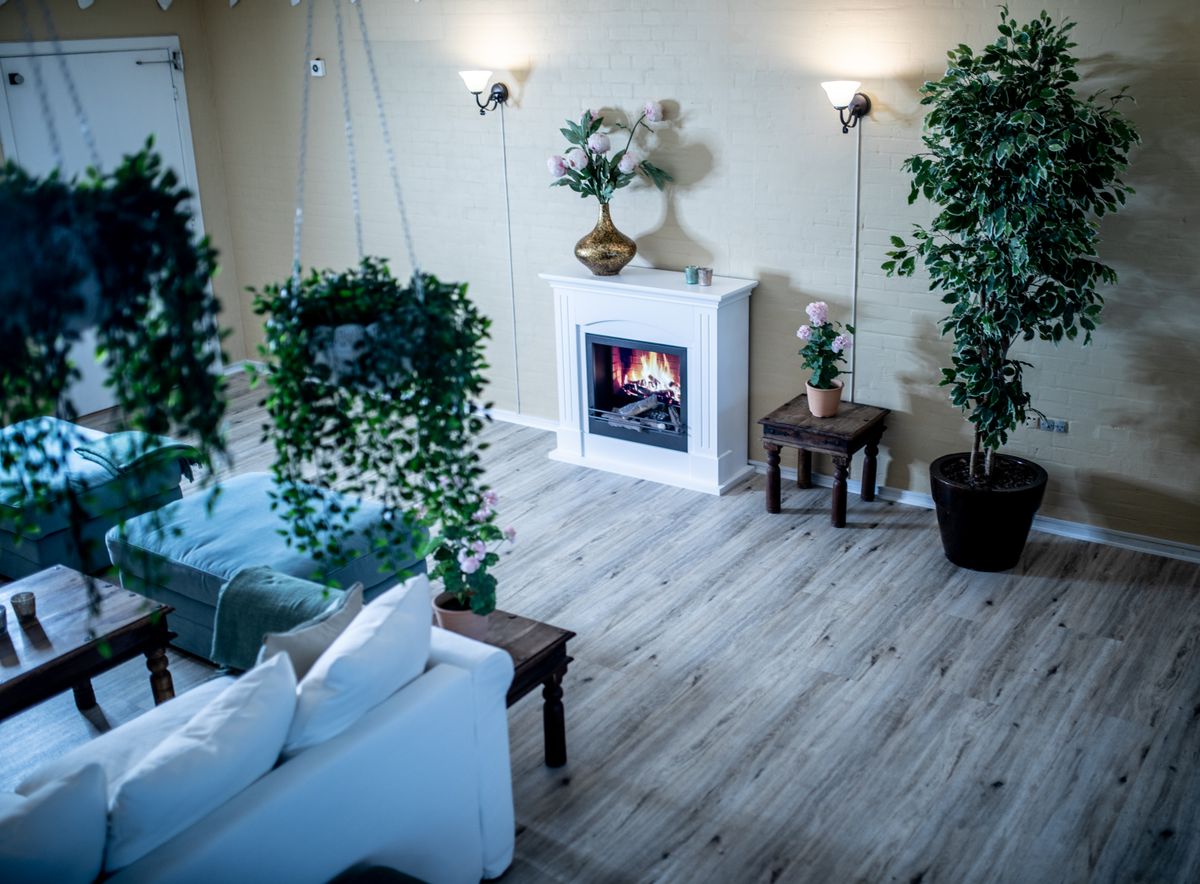
Artificial lighting is the second part of this. The biggest single mistake in most homes is relying solely on overhead lighting. A single harsh ceiling light creates flat, shadowless illumination that makes a room look like an office. Multiple light sources at different heights – lamps at sitting level, a pendant at task height, a candle or two in the evening – layer warmth into a space in a way that overhead lighting simply can’t.
The Most Impactful Free Change
Adding things to a space is easy. Removing things is harder, more uncomfortable, and more effective. Most spaces that feel “off” aren’t under-furnished. They’re over-furnished, and the excess creates visual noise that no amount of new purchases can override.
Walk through each room and look at what’s on every surface: the kitchen counter, the coffee table, the bedside table, the windowsill, the shelf. Ask of each item: does this serve a function, or does it just live here because it landed here? Most accumulated surface clutter falls into the second category.
This isn’t a call for minimalism if that’s not your style. You can have a rich, layered, maximalist home and it can feel entirely cohesive. The question isn’t how much you have; it’s whether what you have is there by choice. A deliberately curated shelf of thirty objects feels completely different from a shelf where thirty objects have accumulated over time without intention. The difference shows, even if you can’t immediately say why.
Editing is the highest-leverage thing you can do. It costs nothing. It takes an afternoon. And it almost always transforms the feeling of a space more than any purchase.
How Plants Change a Space
Indoor plants are worth a specific mention because the evidence for their effect goes beyond aesthetics. A 2015 study in the Journal of Physiological Anthropology found that interaction with indoor plants suppresses sympathetic nervous system activity in young adults, reducing physiological and psychological stress responses. A separate line of research found that the presence of plants in workplaces and indoor environments reduces stress-related complaints significantly.
This isn’t the main reason to add plants to your home – the visual warmth they add is reason enough – but the stress-reducing evidence is worth knowing. Living things in a space change how the space feels in ways that synthetic decorative objects don’t replicate.
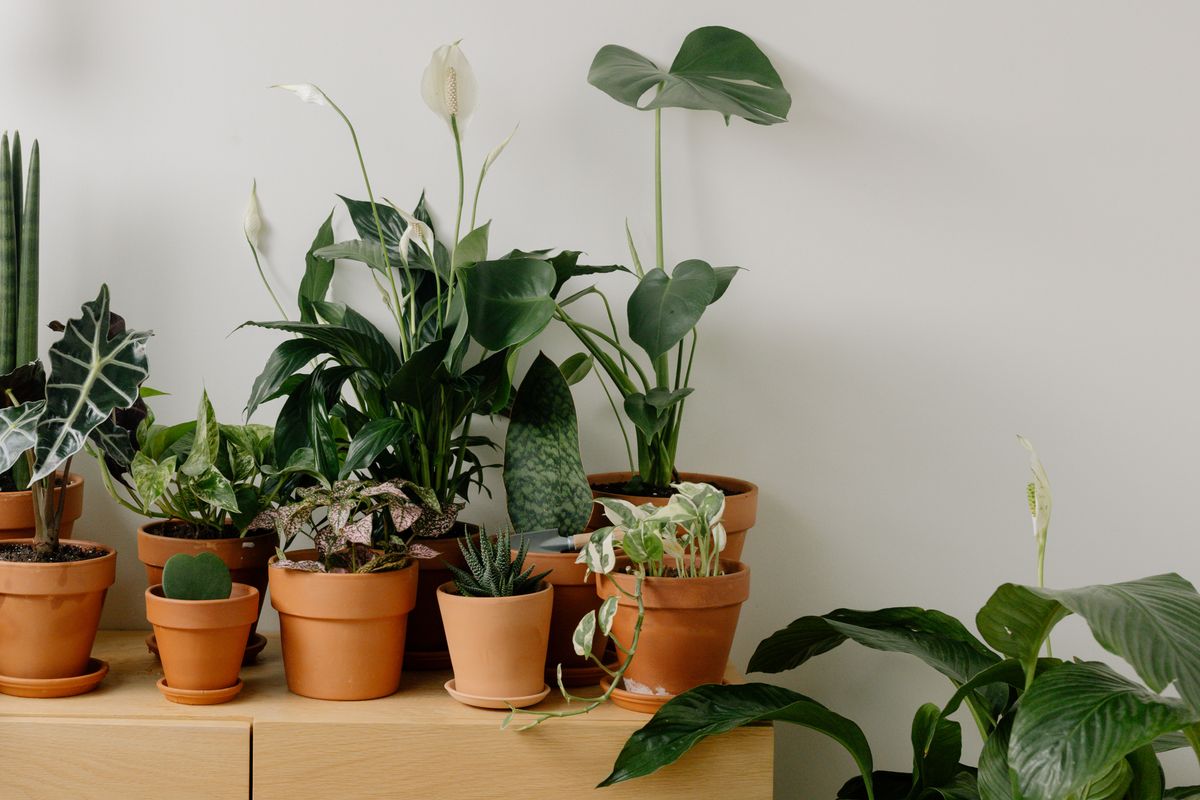
Practically: one larger plant makes more visual impact than several small ones. A fiddle leaf fig, a large peace lily, a monstera, or a bird of paradise in a corner reads as intentional and adds life to a room in a way that a collection of small succulents on a shelf doesn’t match. If you’re not confident with plants, pothos and snake plants are genuinely hard to kill and grow quickly in almost any light condition.
Textiles: The Fastest Way to Add Warmth and Cohesion
Textiles do something that furniture and paint don’t: they add tactile warmth, soften hard lines, and can quickly shift the feeling of a space without any permanent commitment. A throw, a rug, and decent cushions are among the most cost-effective ways to change how a room reads and feels.
The key is material and coherence rather than matching. A linen throw, a wool rug, and cotton cushions don’t need to match. They need to share a feeling – either in tone (warm neutrals, cool greys, earthy terracotta) or in texture (natural, tactile materials read together in a way that synthetics don’t). Avoid mixing many different colour families or too many patterns – one pattern per room is a practical rule that prevents visual chaos.
Rugs are particularly high-impact. A bare wooden or tiled floor reads as cold and unfinished regardless of the furniture above it. A rug grounds a seating arrangement, defines the zone, and immediately makes the space feel more considered. The rule of thumb is to go bigger than feels necessary – a rug that the furniture sits on, or where at least the front legs of each piece sit on it, works. A rug that floats in the middle of the room with nothing touching it looks like a mistake.
How to Find Your Own Style Rather Than Copying Someone Else’s
Pinterest boards and Instagram interiors are not templates. They’re aspirational images of spaces that have been styled and photographed professionally, often in homes that belong to people with very different lives, budgets, and constraints than yours. Using them for inspiration is fine. Using them as a direct copying exercise produces spaces that look derivative and feel disconnected from the person actually living in them.
A more useful exercise: scroll through images of interiors and save the ones that make you feel something before you can articulate why. After twenty or thirty saves, patterns emerge. You might notice you keep saving spaces with warm light and natural materials. Or high-contrast black and white with plants. Or layered, library-like rooms full of books and objects. That pattern is your aesthetic. It’s usually more specific and more useful than any label like “Scandinavian” or “bohemian.”
Then look at what you already own with that filter. Most people have more to work with than they realise – pieces that have been placed badly, or that aren’t given enough space to read properly, or that are competing with too many other things for attention.
The Case for Imperfection
The spaces that feel most like homes tend to have something in common: they show evidence of a life being lived. A stack of books by the sofa. A worn-in throw. A plant that’s slightly imperfect. Objects that mean something rather than objects that merely look right.
The relentless pursuit of a styled, Instagram-ready space often produces the opposite of warmth. Spaces that look like showrooms feel like showrooms. The things that make a home feel like a home – the stain on the wooden table, the books spine-out, the vase of not-quite-arranged flowers – are often the things you’d edit out in a staging exercise.
The goal isn’t a perfect space. It’s a space that reflects you and makes you feel good to be in. Those are different targets, and knowing the difference prevents a significant amount of unnecessary spending and dissatisfaction.
Frequently Asked Questions
What does it mean to make your home aesthetic?
An aesthetic home has visual coherence – a consistent feeling or visual language that makes the space feel considered rather than accidentally assembled. It doesn’t require a specific style. It does require that the objects, colours, and materials in a space share some relationship to each other. Research says that 82% of homeowners say their home environment directly affects their mood and mental wellbeing.
What are the cheapest ways to make your home look better?
The highest-impact free changes are clearing clutter from surfaces, maximising natural light by removing obstructions from windows, and rearranging furniture to improve traffic flow and proportion. Adding a lamp to replace sole reliance on overhead lighting costs little and changes the feeling of a room immediately. Natural light is the most cited factor for wellbeing in the home.
How do I find my home aesthetic style?
Save thirty to fifty interior images that appeal to you before you can articulate why. Look for patterns in what you saved – colours, materials, levels of clutter, lighting quality, presence or absence of pattern. The patterns reveal your actual preferences more accurately than picking a named style like “minimalist” or “boho.” Then audit what you already own through that lens before buying anything new.
Do plants really make a difference to how a home feels?
Yes, in multiple ways. Visually, a single large plant adds more life and warmth than almost any decorative object. Physiologically, a 2015 study in the Journal of Physiological Anthropology found that interaction with indoor plants measurably reduces stress responses by suppressing sympathetic nervous system activity. For low-maintenance impact, pothos, snake plants, and peace lilies are reliable starting points.
Why does my room look cluttered even when I clean it?
Clutter is often less about dirt and more about too many objects without a clear relationship to each other. Surfaces with ten different types of items create visual noise that reads as clutter even when everything is technically tidy. The solution is usually editing – removing or relocating objects until the remaining ones have enough space to read as deliberate choices rather than accumulation. Less is not always more, but in most homes, considerably less is actually quite a lot more.
Making your home feel like yours is less about what you add and more about what you keep, how you light it, and whether the things in it are there by choice. Start with light. Clear the surfaces. Add one good plant. Let some things be imperfect.
The space you have right now, edited thoughtfully and lit well, is probably closer to the home you want than you think.
Comments are closed.