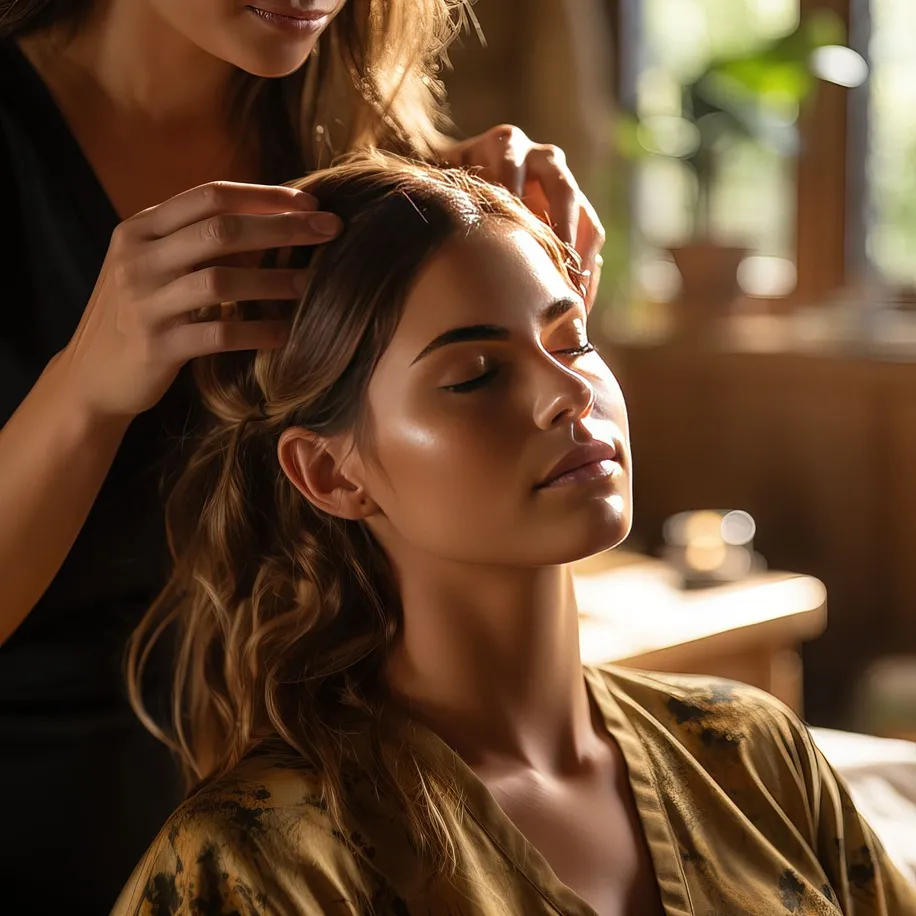
There’s something deeply satisfying about a scalp massage – the kind that makes your eyes close and your shoulders drop involuntarily. For a long time I assumed it was just a nice thing, a bit of self-care with no real payoff beyond the moment. Turns out I was wrong, and the research is actually pretty compelling.
Scalp massage is one of those rare wellness habits that’s both enjoyable and backed by real evidence. But like most things, there’s a right way to do it if you want results beyond just feeling relaxed for ten minutes.
TL;DR
- A daily 4-minute scalp massage was shown to increase hair thickness by 10% over 24 weeks in a clinical study
- The mechanical pressure stimulates dermal papilla cells, which play a direct role in hair growth
- Consistency matters more than duration – even short daily sessions beat occasional longer ones
- Rosemary oil has shown comparable results to minoxidil 2% in a randomised trial, with fewer side effects
- Always dilute rosemary essential oil in jojoba before applying to the scalp
Why Scalp Massage Actually Works (It’s Not Just Circulation)
Most people assume scalp massage helps hair growth by boosting blood flow, and while that’s part of it, the more interesting mechanism goes deeper. A study published in PMC found that daily standardised scalp massage over 24 weeks produced a measurable increase in hair thickness – from 0.085mm to 0.092mm – in participants who massaged consistently. The control area showed no change.
The reason comes down to mechanical force. When you press and move the scalp, you create stretching forces that reach the dermal papilla cells sitting deep in the subcutaneous tissue. These cells are directly involved in regulating the hair growth cycle. The stretching appears to trigger gene expression changes that encourage the hair to stay in the active growth phase for longer. It’s not magic – it’s mechanobiology, and it’s genuinely fascinating.
Blood flow does play a role too. Research into scalp massage techniques found that a 3-minute pressing-based massage increased scalp blood flow by 120% above baseline, with the effect lasting well over 20 minutes after the massage ended. More blood flow means more oxygen and nutrients reaching the follicles. Both effects together make a real case for building this into your routine.
How to Actually Do It Properly
The technique matters more than people realise. A quick absent-minded scratch doesn’t cut it.
Start at the base of your skull, just above the neck, and work forward toward your hairline in small sections. Use the pads of your fingertips – not your nails – and apply firm but comfortable pressure. The movement should be small circular motions, pressing gently into the scalp rather than sliding your fingers across it. You want the scalp to move with your fingers, not your fingers to move over the scalp. That’s the distinction that actually delivers the stretching effect.
Spend roughly 30 to 45 seconds on each section: the nape of the neck, the sides above your ears, the crown, and the front hairline. Cover the whole scalp rather than focusing only on areas of concern. Four to five minutes total is enough – the original hair thickness study used just four minutes daily and still produced significant results at 24 weeks.
One caveat worth knowing: some people notice slightly more shedding in the first few weeks. This is normal. The massage can dislodge hairs that were already in the resting phase and ready to fall. It’s temporary, and it typically resolves by the 12-week mark as the growth cycle resets.
Should You Use Oil?
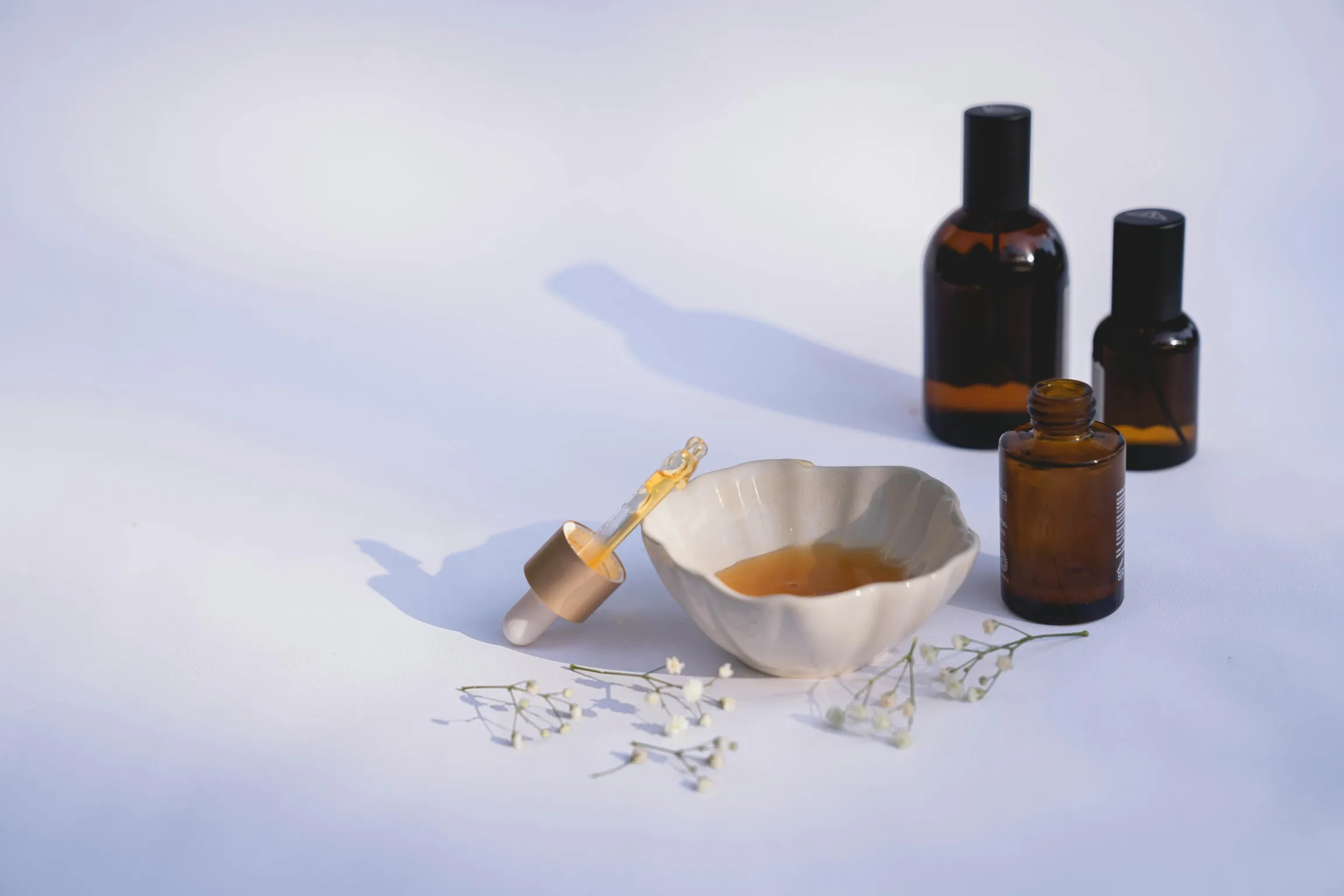
You don’t have to use oil to get results – the mechanical effect works dry. But if you want to layer in some additional benefits, the right oils can make a meaningful difference to scalp health and potentially hair density too.
Rosemary oil is the one with the most impressive evidence behind it. A randomised comparative trial published in PubMed pitted rosemary oil directly against minoxidil 2% in 100 patients with androgenetic alopecia over six months. Both groups showed a significant increase in hair count by the end. The rosemary group, however, reported far less scalp itching – a common complaint with minoxidil. It’s not a miracle cure and it’s not a replacement for medical treatment if that’s what you need, but as a natural option the evidence is genuinely solid.
Jojoba oil is the ideal carrier to use with it. Structurally, it’s remarkably similar to the scalp’s natural sebum, which means it absorbs cleanly without leaving a heavy, greasy residue. It conditions the scalp, reduces dryness and tightness, and makes rosemary oil safe and easy to apply. If you only keep two oils on your shelf, these two together cover most of what you need.
To use them, mix 2 to 3 drops of rosemary essential oil into a teaspoon of jojoba before applying to your scalp. Never apply undiluted rosemary oil directly – it can cause irritation, especially on a sensitive scalp. A small patch test on your inner arm before the first use is always a sensible step.
Making It Stick
The research is clear on one thing: results are dose-dependent. A large survey study of nearly 1,900 people who practised scalp massage for hair loss found that 68.9% reported hair stabilisation or regrowth, and the results were directly tied to how consistently and how long they kept it up. On average, participants began noticing changes after roughly 36 hours of cumulative massage effort – which sounds like a lot until you break it down to four minutes a day for about six months.
The easiest way to make it a habit is to attach it to something you already do. While your conditioner sits in your hair, during an evening wind-down, or as part of a slow Sunday morning – wherever it fits naturally into your existing routine is the right place for it.
It’s a small thing. A few minutes, your fingertips, a little rosemary and jojoba. But done consistently, it’s one of the more enjoyable ways to invest in your hair – and one of the few with real evidence to back it up.
Comments are closed.