
You’ve touched up your face three times before lunch. Your foundation has relocated entirely. By 3pm, you could fry an egg on your T-zone. If this is your every summer, you already know – oily skin in hot weather is not a vibe.
But here’s what nobody explains clearly enough: the problem isn’t just that you have oily skin. It’s that most skincare advice for oily skin was written by people who clearly don’t have it. Dry out your face. Use a harsh cleanser. Skip the moisturiser. All of it is wrong, and all of it will make summer worse.
Here’s what actually works.
Key Takeaways
- Heat and humidity push your sebaceous glands into overdrive – your winter routine won’t cut it.
- Stripping your skin dry backfires. It triggers even more oil production. Balance, not aggression, is the goal.
- Niacinamide (vitamin B3) is genuinely one of the best ingredients for oily skin. Research published on PubMed found topical 2% niacinamide meaningfully reduced sebum production within four weeks.
- SPF is non-negotiable. For oily skin, it just needs to be the right kind.
- Less product, not more. Over-layering is a silent cause of mid-day shine.
Why Summer Specifically Wrecks Oily Skin
Your skin produces oil to protect and moisturise itself. That’s its job, and it’s doing it fine. The issue is that heat and humidity push the sebaceous glands to produce more oil than usual, and that lands on top of the sweat your body is already generating to cool you down. Two things happening at once, both ending up on your face. Great.
The sebum in your skin, which is normally more of a waxy substance, becomes thinner and more liquid in hot temperatures – essentially melting into that slicker, shinier look you know so well. So if your skin feels manageable in January but uncontrollable in July, that’s not in your head. Summer genuinely does change the chemistry of what’s sitting on your face.
The solution isn’t to declare war on your skin. It’s to work with it.
Morning Routine: Keep it Light, Keep it Layered
Cleanser – the base of everything
Start with a gentle foaming or gel cleanser. Gentle is the word that matters here. Switching to a cleanser designed for acne-prone skin is actually a smart summer move even if you don’t have acne – these formulas contain salicylic acid, which removes excess oil and keeps pores cleaner. Massage it in for about 60 seconds with lukewarm water. Hot water feels good, but strips the skin barrier, which sends your glands straight into oil-overproduction mode.
Wash your face twice a day. Not every time you sweat. Over-cleansing tells your skin it’s dry, and it responds by producing more oil to compensate. The very thing you’re trying to prevent.
Toner – optional, but useful in summer
A toner formulated with hydroxy acids like salicylic or glycolic acid can keep oil production to a minimum and help prevent blackheads, according to dermatologist Dr. Hartman. If you’re going to add one step specifically for summer, this is a good candidate. Just make sure it’s alcohol-free. Alcohol-based toners feel like they’re doing something because they create a tight, dry sensation. What they’re actually doing is damaging your skin barrier. Skip them.
Niacinamide serum – the ingredient worth knowing
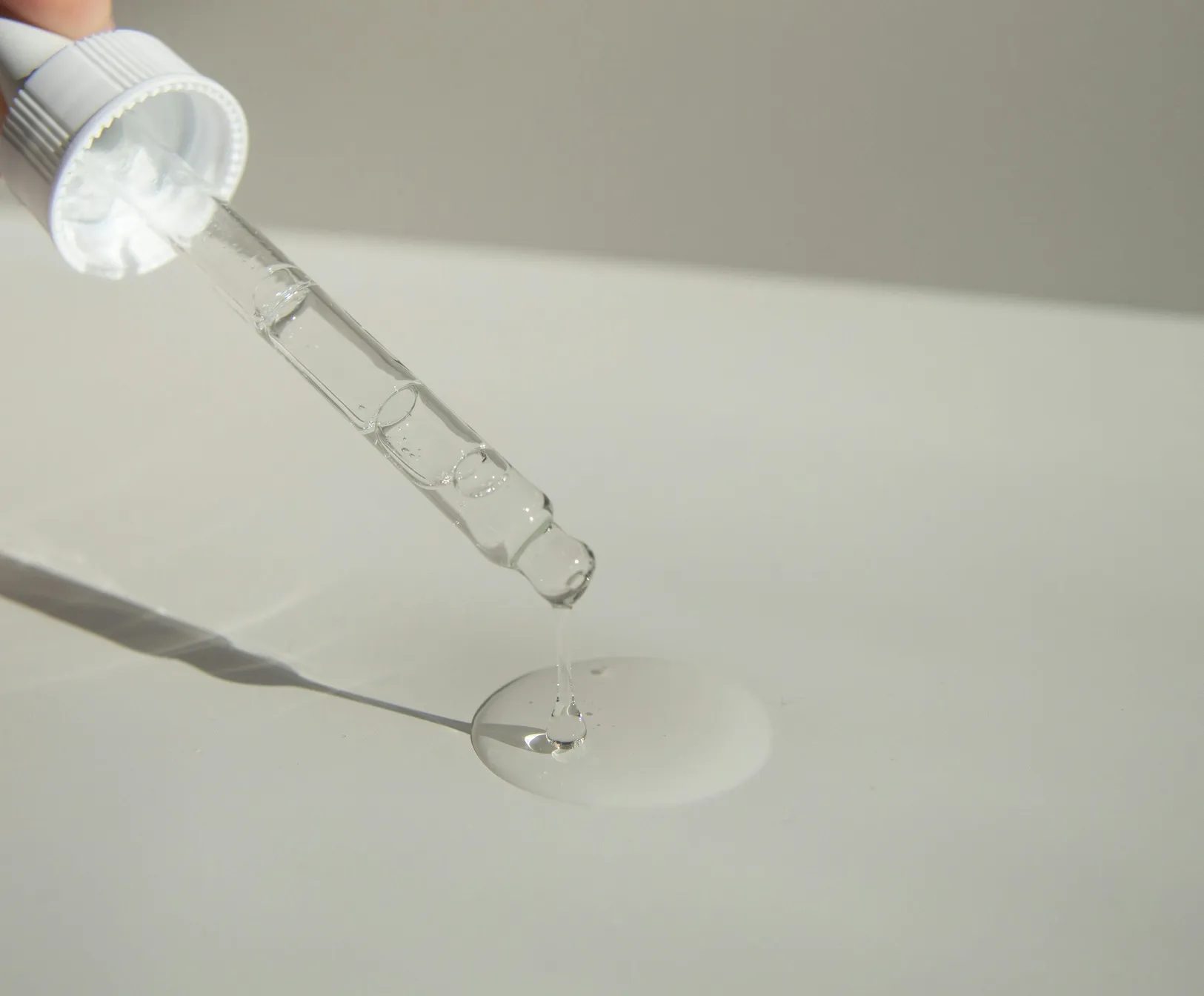
If you’re not using niacinamide, this is the recommendation worth taking seriously. It’s a form of vitamin B3, it’s well-researched, and it actually targets oil production rather than just absorbing shine. A double-blind, placebo-controlled study of 100 subjects confirmed that topical 2% niacinamide significantly lowered sebum excretion rates after two and four weeks of regular use. PubMed Central Beyond oil control, it visibly minimises pore appearance and calms redness. Look for a concentration of 2 – 5% in a lightweight serum texture.
Moisturiser
Skipping moisturiser because your skin is already oily is a trap a lot of people fall into. Dehydrated skin produces more oil to compensate. That’s how skin works. What you want is a gel moisturiser – water-based, fast-absorbing, zero greasiness. Something like Neutrogena Hydro Boost or a similar hyaluronic acid gel formula. It hydrates without adding a single drop of oil. There’s a real difference.
SPF – the one step you cannot skip
Applying broad-spectrum SPF 30 sunscreen every time you go outside is the single most important summer skincare step regardless of skin type – and it needs to be reapplied every two hours outdoors. For oily skin, thick white sunscreens are the enemy. A mineral or hybrid formula with a matte finish – sits beautifully on the skin. This step prevents breakouts, dark spots, premature aging, and actual long-term skin damage. It’s not optional.
Evening Routine
Your skin has spent all day accumulating sunscreen, sweat, oil, and pollution. The evening routine is about clearing all of that without being aggressive.
If you’ve worn SPF or makeup, consider double cleansing. A gentle micellar water or cleansing balm first to dissolve product, then your foaming cleanser to finish. It sounds extra. It isn’t – it makes a real difference to how clear your skin stays.
After cleansing and toning, apply a targeted treatment. Salicylic acid two or three nights a week keeps pores clear. A niacinamide serum works morning and evening. If you want to introduce a retinoid – which genuinely helps with oily, acne-prone skin over time – start slowly, two nights a week, and always moisturise after. Switching from a rich winter cream to a lighter gel or serum moisturiser is one of the most worthwhile seasonal adjustments you can make.
Also If you’re trying to build a more complete beauty routine, a proper scalp massage for hair growth is another low-effort habit that fits nicely into an evening wind-down.
Weekly Add-Ons Worth Doing
Two extras, once or twice a week, that make a visible difference.
Chemical exfoliation. An AHA or BHA exfoliant removes dead skin cells and unclogs pores before they cause problems. Don’t overdo it – two to three times a week is enough, and more will irritate your skin.
Clay mask. Kaolin or bentonite clay pulls excess oil and impurities out of pores. Use it on the T-zone or all over, leave it 10 – 15 minutes, rinse with cool water. It’s the closest thing to a reset button your skin has during a hot week.
The Real Reason You’re Still Oily by Lunch

If your skin is still out of control despite following a solid routine, look at how many products you’re layering. More products isn’t always better. Sometimes simplifying your routine down to just a cleanser, moisturiser, and sunscreen is exactly what over-stimulated oily skin needs.
Keep blotting papers in your bag for midday touch-ups. Press gently – don’t rub. They absorb oil without disturbing your SPF or makeup, which means you’re not starting from scratch every time you blot.
Oily skin in summer isn’t a condition you have to manage with constant damage control. The right routine – simple, lightweight, consistent – keeps your skin balanced enough that you stop thinking about it. That’s the goal. Not perfect, poreless, matte-all-day skin. Just skin you forget about.
Comments are closed.