Most articles on this topic will tell you that both are great, both are natural, and both moisturize. That is somewhat accurate and almost completely useless. Because if you have oily skin that breaks out easily, putting coconut oil on your skin could be equivalent to putting acid on it – regardless of how many glowing reviews it has online.
So here is a more honest breakdown of where these two actually differ, what the evidence suggests, and which one is likely to suit you better depending on what your skin is actually doing.
What Shea Butter Actually Is
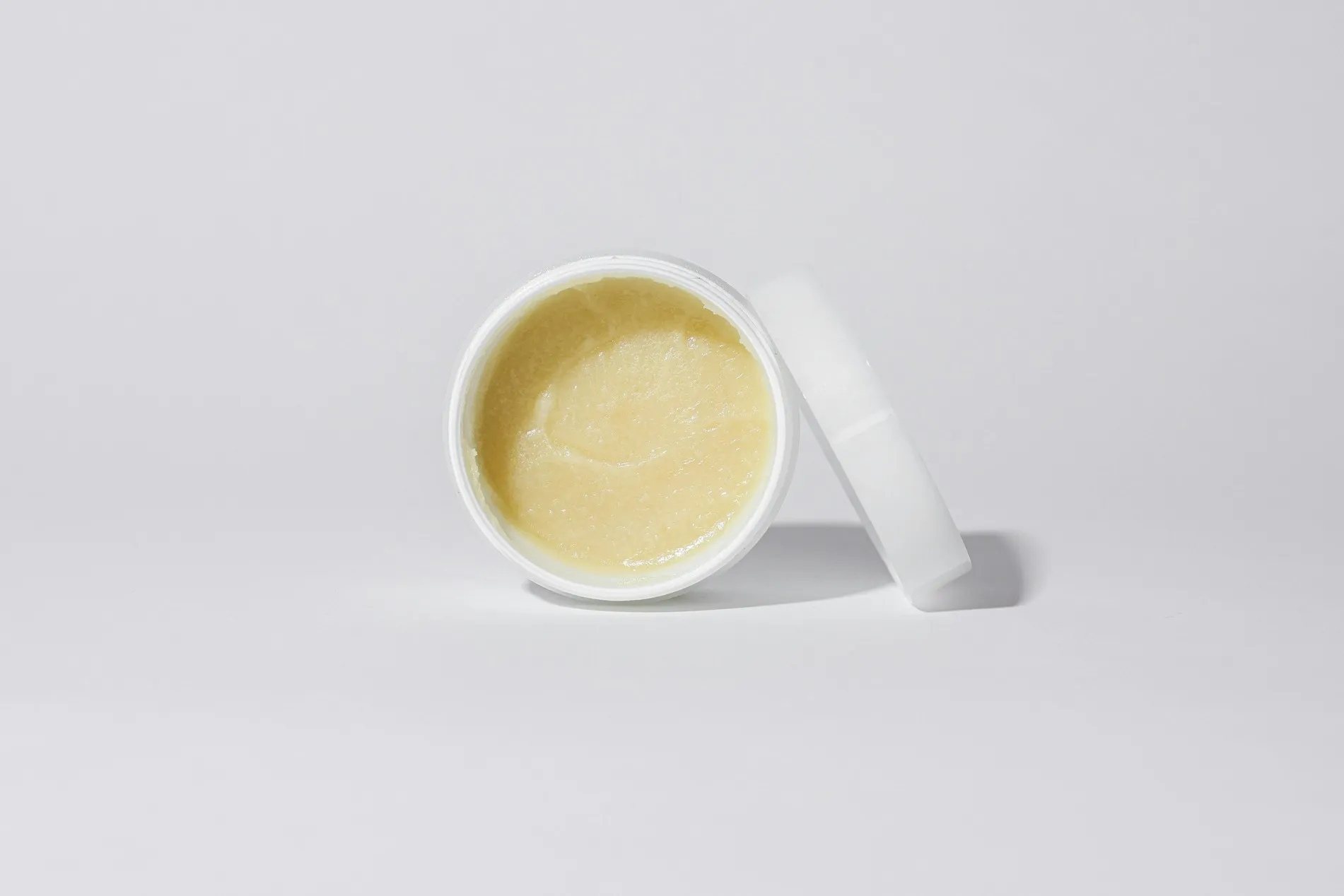
Shea butter comes from the nuts of the shea tree, which grows across West Africa. It is solid and slightly waxy at room temperature, melts easily in your hands, and has a long history in skincare. The reason it works well for dry or irritated skin is that it does not just sit on the surface – it tends to feel genuinely moisturizing rather than just barrier-forming. It helps to support the skin barrier, which matters a lot when your skin is flaky, uncomfortable or recovering from something harsh like retinol or an acne treatment. People with sensitive skin often find it easier to tolerate than a lot of other rich moisturizers.
It works best for dry skin, dehydrated combination skin, sensitive skin, and – somewhat counterintuitively — acne-prone skin that needs moisture but cannot handle more aggressive ingredients. It is not perfect for everyone, but it is the more flexible one between the two.
What Coconut Oil Actually Is

Coconut oil is extracted from coconuts. It is solid at cooler temperatures and turns liquid when warm. In skincare it gets used for a lot of things – body moisturizer, hair oil, lip balm, cleansing oil – partly because it is cheap, widely available, and easy to work with.
It does genuinely soften skin. It creates a sealing effect on the surface that helps reduce moisture loss, which is why it can feel effective quickly, especially on areas that are very dry. It also has some antimicrobial properties, which is one reason it has been championed in natural skincare circles for years.
Where it tends to fall apart is on the face, particularly for anyone whose skin clogs easily. Coconut oil has a fairly well-known reputation in the skincare community for being comedogenic – meaning it may block pores for some people. Not everyone, and the research on comedogenicity ratings is honestly messier than most skincare influencers admit, but if you have oily or acne-prone skin and you start applying coconut oil to your face, there is a real chance it will cause problems. That is not a reason to avoid it entirely. It is just a reason to use it where it actually makes sense, which is mostly the body.
Where They Actually Differ
The moisturizing comparison is closer than people expect. Both help with dryness. But shea butter tends to feel more restorative when skin is seriously dry – the kind of dry where your skin feels tight after washing or you are getting rough patches in winter. Coconut oil is more of a moisture-sealer type. It helps to lock in what is already there, but on its own it may not feel as good, if your skin barrier is damaged.
The feel is different too. Coconut oil spreads easily, absorbs relatively quickly, and leaves a glossy look. Shea butter is slower, heavier, and takes longer to sink into the skin. Some people find shea butter too greasy on the skin, especially in warmer weather or if they have oily skin. Even so, texture preference should not be the deciding factor if pore-clogging is a concern.
On the pore question, shea butter is generally the safer bet. It is still a rich ingredient, so it’s not for everyone, but it is far less likely to cause congestion than coconut oil. And if you have spent any time dealing with blackheads or stubborn breakouts, you already know that finding something that does not make things worse is honestly half the battle. That matters a lot more than which one has a nicer texture.”
Which Is Better for Dry Skin
Shea butter, in most cases. It is richer and tends to give more lasting relief when skin is very dry, tight, flaky from cold weather or indoor heating. If your skin is dry but otherwise not sensitive or reactive, coconut oil can also work – particularly on the body, on rough patches like heels and elbows. But if you had to choose one, shea butter usually wins this category because it feels more restorative and less likely to disappoint on very dry days.
Which Is Better for Oily Skin
This one surprises a lot of people, but shea butter is usually the better option – used lightly though. The logic behind coconut oil for oily skin does not really hold up. Oily skin still needs moisture, especially if you use any active ingredients that strip the skin. The question is not whether to moisturize but which product is less likely to make congestion worse. Coconut oil is more likely to sit on the surface without absorbing properly, which for oily skin tends to make congestion worse rather than better. A small amount of shea butter, applied where your skin is actually dry rather than all over, tends to be the more sensible approach.
Which Is Better for Acne-Prone Skin
Shea butter, fairly. This is probably the most practically useful answer in the whole comparison.
Coconut oil gets positioned as a natural acne treatment sometimes, based on its antimicrobial properties. And while those properties are real, they do not override the fact that it may block pores for people who are already prone to acne breakouts. A product can have beneficial properties and still be a bad match for certain skin. If you are already dealing with acne and looking for a simple, natural moisturizer, coconut oil is very unlikely to be the one product for your face. Shea butter is not a guarantee either – nothing is. But it is the lower-risk option and appears to be better tolerated by skin that is already struggling from acne.
Can You Use Both Together
Yes, and it can work well – but mainly for body use though. Mixing shea butter with coconut oil gives you a blend that is a lot easier to spread than shea butter alone. For dry body skin, rough patches, overnight hand treatments, or homemade body butters, that combination can work really well.
For the face, though, especially if your skin clogs easily, combining them is not a great idea. Even if shea butter alone works fine for you, adding coconut oil into the mix could tip the balance toward congestion. It is worth being cautious there rather than assuming that the natural ingredients cancel out each other’s downsides.
So, Which One?
If you are choosing between these two for facial skincare, shea butter is the more sensible aproach for most people. It works across more skin types, carries less risk for those prone to breakouts, and tends to do more for dry skin.
Coconut oil is not a bad ingredient. It just has a more specific use case – body skin, hair, lips, rough dry patches that need a simple sealant. Outside of that, particularly if your skin breaks out easily or you are dealing with oiliness, it is the one to use more carefully rather than liberally.
The honest version of this comparison is not ‘both are great in different ways.’ It is that shea butter has a wider margin for error, and coconut oil requires you to know your skin well enough to use it in the right place.