
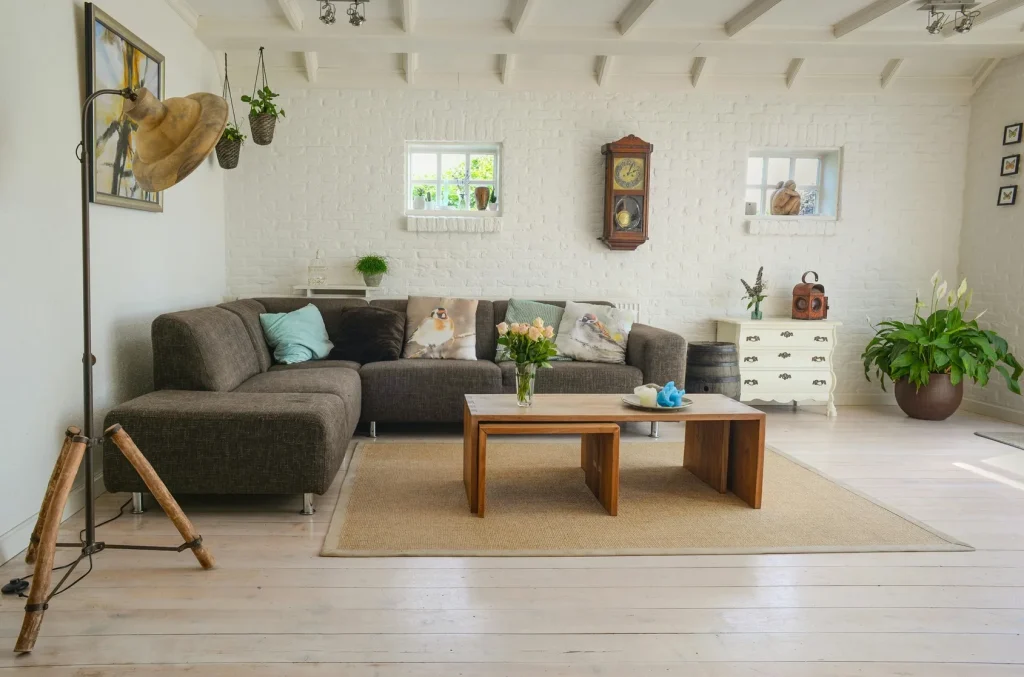
There’s a version of this article that opens with a sweeping claim about how your home is secretly controlling your emotions. This isn’t that version. The truth is a bit messier and, honestly, more interesting.
Your living space does affect your mood. That much appears to be reasonably well-supported. But the way this idea usually gets packaged – tidy home, happy brain, five easy steps – glosses over why it actually happens and what’s worth paying attention to versus what’s just interior design marketing dressed up in neuroscience language.
Let’s start with what we actually know.
Your Brain Is Always Processing, Whether You Like It Or Not
One thing that does seem consistent across research is that your brain doesn’t switch off when you walk into a room. It’s constantly taking in visual information – the pile of laundry on the chair, the way the afternoon light hits the wall, the half-finished mug on the desk – and processing it in the background, even when you’re focused on something else entirely.
Some researchers describe attention like a limited resource. When your environment is busy or disorganised, more of that resource gets quietly used up on filtering out irrelevant stimuli. You may not notice it in the moment. But over a few hours, or days, it can contribute to that low-grade mental fatigue that’s hard to pin on any one cause. You know the feeling – you haven’t done anything that strenuous, and yet you’re exhausted by four in the afternoon.
Whether this fully explains why clutter makes people feel stressed is harder to say. People who tend toward anxiety may also tend toward noticing clutter more acutely. It probably goes both ways.
The Clutter Thing (Which Is Real, But Also Overstated)
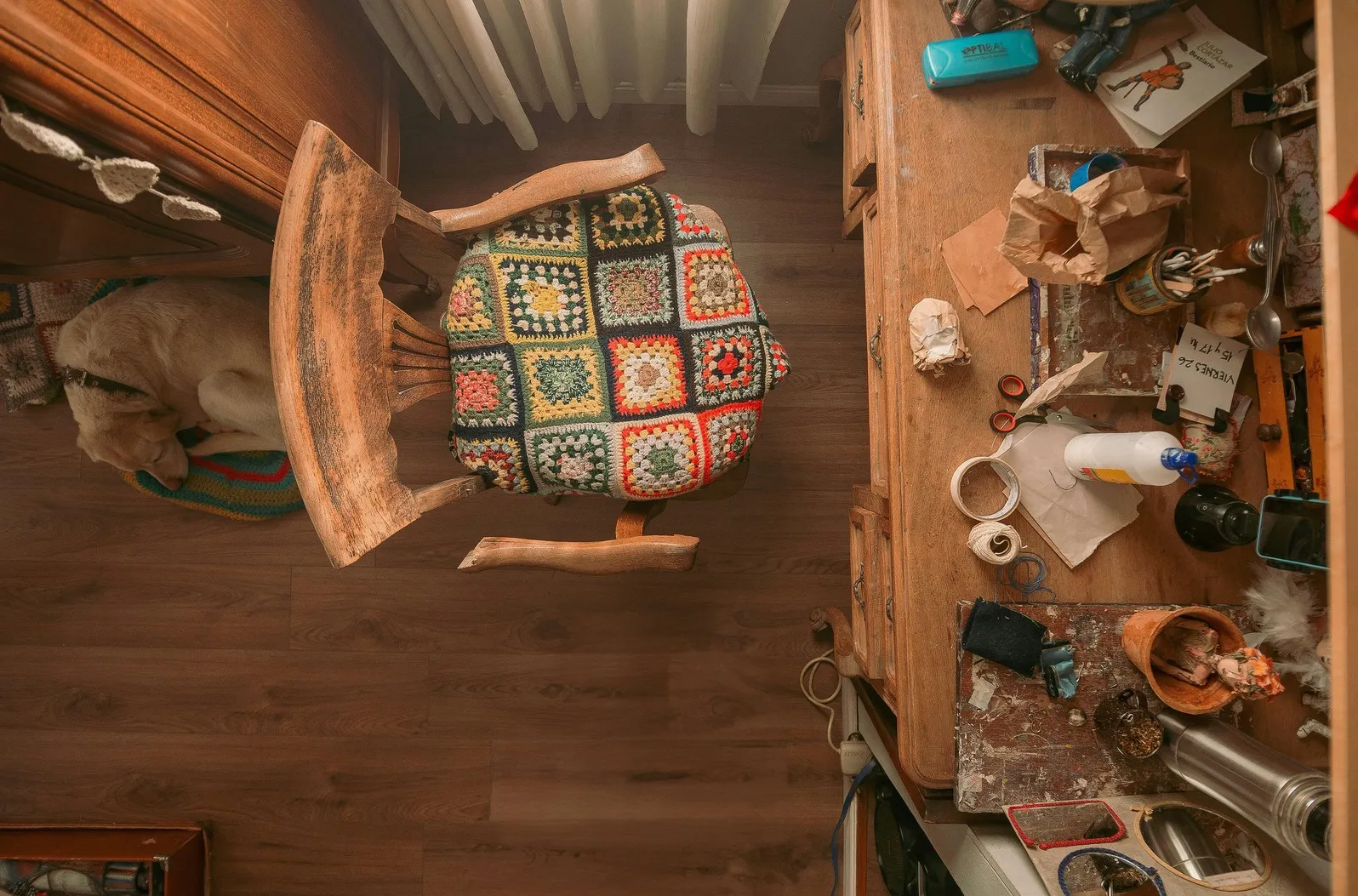
Studies have found associations between cluttered homes and elevated cortisol – the body’s primary stress hormone. That’s worth taking seriously. At the same time, ‘cluttered’ means different things to different people. A workspace covered in papers might signal chaos to one person and active, engaged work to another. Context matters. What seems to matter most isn’t achieving some aspirational state of minimalism. It’s more about whether your environment feels like it’s working against you. Surfaces where things pile up without reason, items you trip over that serve no purpose, the general background hum of unfinished business – that’s the stuff that appears to create friction. A single overflowing bookshelf, surrounded by an otherwise calm room, probably isn’t doing much damage.
If you want to actually do something about it, the most useful thing isn’t a full declutter weekend (though fine, if you’re into that). It’s finding the one or two spots that create the most daily friction and fixing those first. The junk drawer that makes you irrationally annoyed every morning. The coat hooks that never get used. Start there. Small.
Light, and Why Dim Rooms Are Genuinely Doing You No Favours
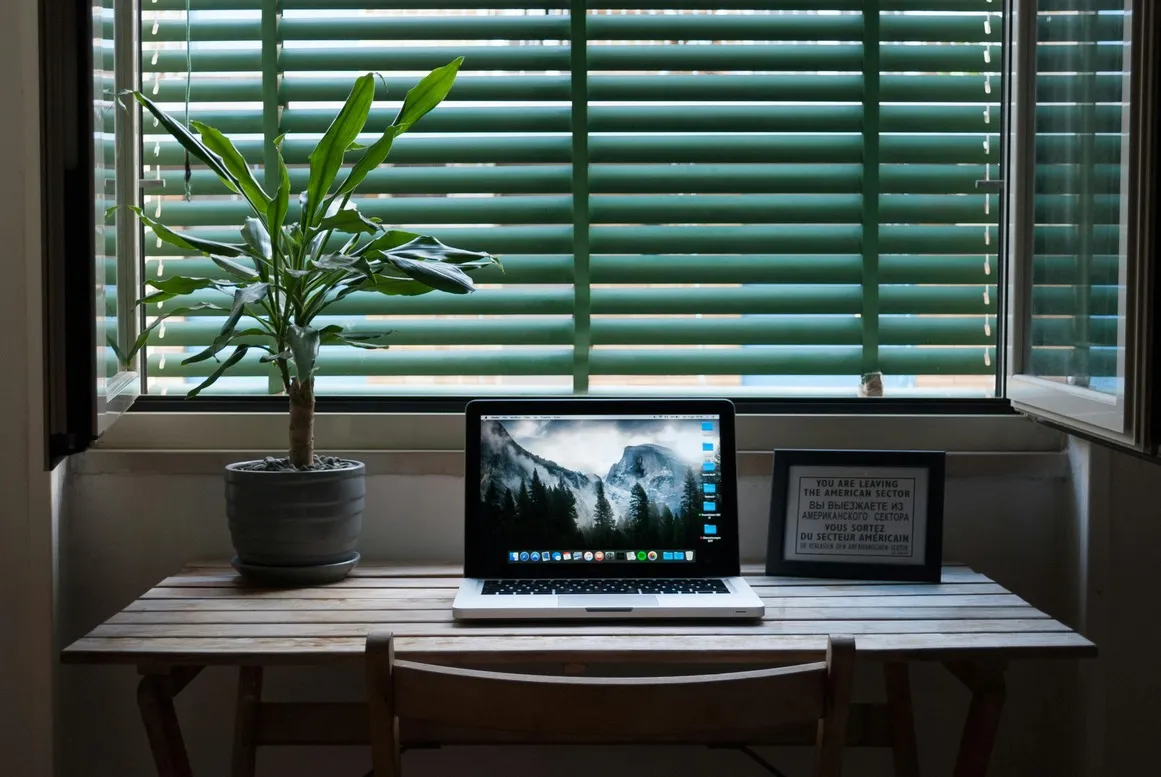
Natural light is probably the most clearly evidenced factor in this whole conversation. Sunlight exposure influences serotonin production, helps regulate your body’s internal clock, and has a fairly well-established link to mood – particularly in the winter months when light is scarce and seasonal affective disorder becomes more common.
If you live in a dark flat or spend most of your daylight hours in an artificially lit office, this actually matters. Moving your desk closer to a window isn’t a quirky productivity tip – it may genuinely shift how you feel through the day. Opening blinds that you habitually leave closed. Sitting outside for twenty minutes at lunch even when it’s cold. These are boring suggestions, but the boring ones are usually the ones that work.
Artificial lighting is more nuanced. Warm, softer light in the evening appears to help your body wind down. Harsh overhead lighting in a space where you’re supposed to relax is probably counterproductive – though honestly, the evidence here is less definitive than the wellness industry would have you believe. Experiment. Your preferences matter too.
Colour Psychology
Colour psychology is one of those areas where legitimate research exists alongside a lot of confident nonsense. Yes, there’s evidence that colours influence emotional responses. Blues and greens tend to read as calming. Bright warm tones can feel stimulating or slightly agitating depending on the person and the context. But the effect sizes are often modest, and individual variation is enormous.
What may matter more than specific colour choices is the overall quality of the visual environment – whether it feels coherent, whether it has things in it that you actually like, whether it reflects something real about who you are rather than what a mood board told you to want. A room that feels authentically yours, even if it’s a bit eclectic and wouldn’t appear in a magazine, is probably more emotionally supportive than a perfectly curated one that feels like it belongs to someone else.
Air Quality and Scent
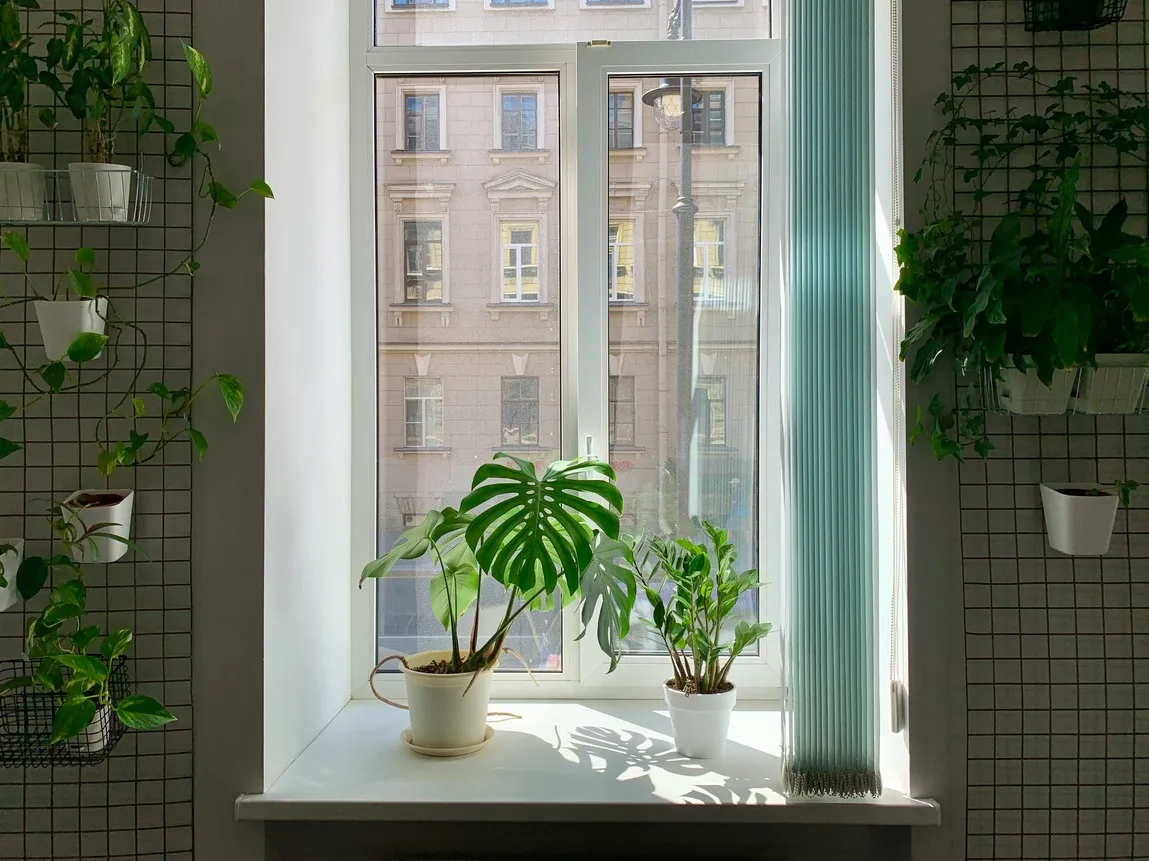
Poor indoor air quality is something most people don’t think about at all, which is worth changing. Stuffy rooms with limited ventilation can contribute to headaches, fatigue, and difficulty concentrating – effects that are easy to attribute to stress or tiredness when the actual culprit is just bad air. Opening windows regularly, even briefly, makes a real difference.
Scent is genuinely interesting neurologically. The olfactory system connects more directly to the brain’s emotional and memory centres than any other sense, which is why certain smells can produce an almost involuntary emotional reaction. Lavender’s association with relaxation has some research support, though it’s worth noting that much of this research is small-scale. What seems clearer is that scents tied to personal, positive memories may have a fairly reliable calming effect – which is idiosyncratic and impossible to prescribe.
Sleep Environment
Sleep is the one area where the environment-mood connection is genuinely hard to argue with. Poor sleep reliably worsens mood, irritability, stress tolerance, and cognitive function. And the conditions in which you sleep – temperature, light levels, noise, what else the room is used for – have a measurable impact on sleep quality.
Cooler, darker rooms tend to support sleep. Screens before bed appear to delay sleep onset. Clutter in the bedroom may be activating in a way that makes it harder to wind down – though this likely varies by person. None of this is especially surprising, but it’s worth being more deliberate about than most people are. The bedroom doing double duty as a home office is a real problem for a lot of people, and the blurred boundary probably costs more than it seems.
A Closing Thought
Keep in mind that none of this means your living space is the primary driver of your mental health, or that rearranging your furniture is a substitute for anything more substantial you might need. The relationship between environment and mood is real but it’s also modest, and it sits within a much larger picture.
What does seem true is that your environment is one of the relatively few things you have some control over, and that small adjustments – more light, less friction, a space that feels like yours – can lower the background noise enough to make everything else easier. Not transformative. Just easier. Sometimes that’s enough.
