Ballet Flats Trend 2026: Why They’re Back and How to Wear Them Now
Count the pairs on any city commute this spring. Not trainers, not loafers, not chunky platforms. Ballet flats. They’re on the pavement outside offices, in coffee shop queues, on the feet of women who clearly thought carefully about what they put on this morning. That’s not an accident. Something genuinely shifted.
Three years ago, if you said ballet flats were about to have a significant moment, you’d have been dismissed as out of touch. They were coded as dated – the 2000s throwback nobody was asking to revisit, associated with awkward millennial fashion nostalgia and uncomfortable toe boxes. That wasn’t unfair. The original ballet flat moment wasn’t exactly sophisticated.
What came back is not the same shoe.
Key Takeaways
– Ballet flat search volume increased by 67% on Google Trends between 2023 and 2025, tracking the broader quiet luxury aesthetic shift.
– “Quiet luxury” Google searches rose by over 600% following the final season of Succession in 2023, reframing what aspirational dressing looks like.
– The 2026 ballet flat is more structured, more substantial, and designed with a higher vamp – it’s been intentionally repositioned as a grown-up shoe.
– Styling has changed too: these flats work with tailoring and midis now in ways the 2006 version never pulled off convincingly.
Why Ballet Flats Disappeared and What Brought Them Back
The original wave peaked around 2005 to 2009. They were everywhere: pointy-toed, extremely thin-soled, often in ballet-pink or patent leather, paired with everything from low-rise jeans to party dresses. The problem wasn’t the concept. It was the execution. Most pairs were uncomfortable within twenty minutes, looked dated quickly, and were styled with the same lack of intention that defined a lot of that era’s fashion.
When the chunky trainer took over around 2015 to 2018, ballet flats retreated. They started to read as something your mum wore, or something you’d find at the back of a wardrobe from a decade ago. That’s the context that makes the comeback more interesting – it’s not just a recycled trend on its ten-year return. It arrived in a different cultural moment, and it looks different because of it.
The cultural shift that matters here is the quiet luxury aesthetic. After years of maximalist dressing, visible logos, and status-signalling everything, a significant portion of fashion’s attention moved toward understated, quality-focused, deliberately low-key style. Succession, Gwyneth Paltrow’s court appearance, the so-called “old money” aesthetic – multiple cultural moments pointed in the same direction. Google searches for “quiet luxury” rose over 600% following the final season of Succession. The ballet flat, reinterpreted for that context, made perfect sense.
What’s Different About the 2026 Version
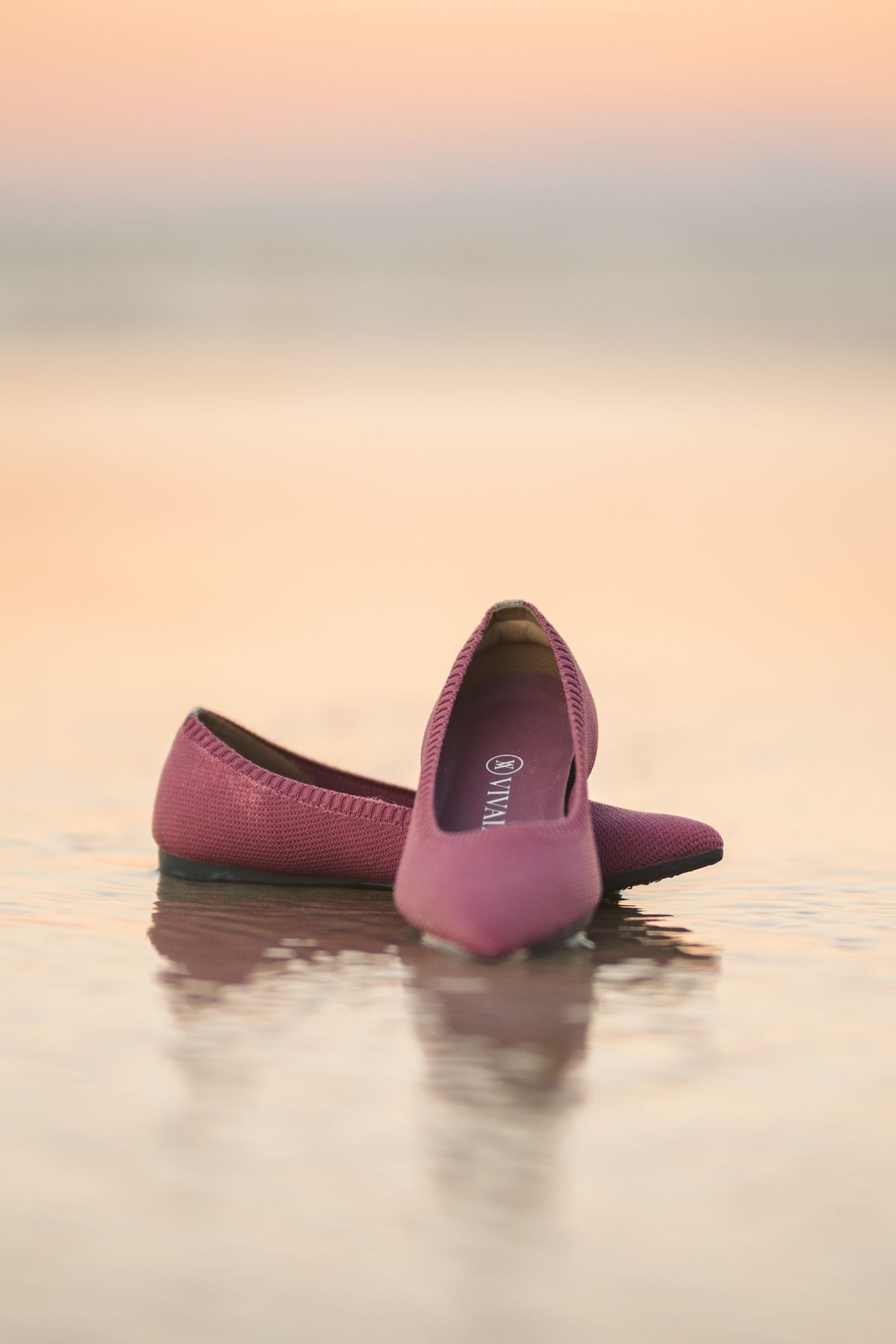
The silhouette has changed substantially. The 2006 ballet flat was typically very low-cut, with a shallow toe box and almost no sole thickness. The 2026 version is more structured. Designers have raised the vamp (the front upper of the shoe), adding more coverage across the foot. Some styles incorporate a slight platform, subtle enough not to read as chunky, but enough to add comfort and longevity to the wear.
Toe shapes have moved from severe point to soft almond. That change matters more than it sounds – a harsh point ages a shoe quickly, while an almond toe reads as current without looking like it’s trying too hard. Bows, where they appear, are smaller and more architectural. Many of the strongest styles have no bow at all.
Materials have upgraded significantly. The 2026 market is seeing more genuine leather, suede, and even satin for evening options, compared to the synthetic materials that dominated the original wave. That’s partly a quality signal and partly a durability one – a well-made leather flat will look better six months in than a synthetic one will after six weeks.
how to choose quality shoes
How to Style Ballet Flats in 2026 (Not 2006)
The 2006 formula – mini dress, bare legs, pointed flats – still works in some contexts. But it’s not where the more interesting styling is happening right now. The looks that feel current have one thing in common: the flats are paired with pieces that have some weight and intention to them.
With tailoring. Straight-leg or wide-leg trousers in a substantial fabric, a structured blazer, and a ballet flat in a neutral leather is probably the strongest combination going right now. The proportions work well because the flat keeps everything grounded without a heel disrupting the trouser line. Cropped trousers that show a sliver of ankle are particularly good.
With a midi skirt. This is the pairing that works least intuitively but often best in practice. A bias-cut or A-line midi, something in a fluid fabric, with a flat creates an elegant elongated silhouette. The key is that the skirt should be relatively fitted through the hip or have enough movement to not read boxy.
With relaxed denim. Not skinny jeans. Wide-leg, straight-leg, or even a barrel-leg denim with a clean, minimalist top and ballet flats is casual without being undone. This is where a square or almond toe flat works better than a severe point.
With separates and a coat. The coat is doing significant work in this equation. A clean wool coat, a flat, and a simple outfit underneath is the quiet luxury equation in practice. The absence of a heel reads as intentional confidence rather than an absence of effort.
What to Look For in a Quality Pair
Not all ballet flats are equal, and the price range is extreme – from a few pounds at a fast fashion retailer to several hundred at a heritage shoemaker. Here’s what actually differentiates a pair worth keeping from one you’ll throw out in three months.
Sole thickness and construction. A very thin synthetic sole will wear through quickly and offers minimal comfort on hard city pavements. Look for a leather or crepe sole with some thickness to it. It should feel slightly cushioned, not like wearing cardboard.
Lining. A fully leather-lined shoe will mould to your foot over time and breathe much better than a synthetic lining. Synthetic linings tend to get warm and slippery. Check by pressing inside the shoe – real leather has a slightly grainy texture.
Construction at the toe. Squeeze the toe box gently from the sides. A well-constructed shoe will have some reinforcement at the toe that holds its shape. A poorly made one will compress easily and won’t hold up over time.
The vamp fit. This is the one that catches people out. A ballet flat with a vamp that’s too loose will slip off the heel with every step. Try them on and walk. If the heel slips significantly, they’ll be uncomfortable and noisy within an hour of wearing. A good fit should feel secure across the whole foot without pinching.
shoe care guide
The Quiet Luxury Connection and What It Actually Means for Buying
The global footwear market is growing at around 4.5% annually through 2028 (Statista), but the more interesting shift is in how people are choosing to spend within it. The quiet luxury trend – a movement away from logo-driven, trend-reactive fashion toward quality basics with longevity – has repositioned the ballet flat as a considered investment rather than a cheap seasonal buy.
This has a practical implication: it’s worth spending more on one pair of genuinely good ballet flats than cycling through several cheap ones. A well-made leather pair in a neutral colour – black, nude, tan, deep burgundy – will work across more outfits, hold up better, and read more intentionally than a trend-reactive buy. The most worn items in most wardrobes tend to be the ones that required real consideration.
The counter-argument is that trends shift, and ballet flats may look different or less current in two years. That’s fair. But the 2026 version, done right, leans toward classic enough that it sidesteps pure trend territory. A clean leather almond-toe flat in black is not a statement that will date embarrassingly. It’s a shoe.
Frequently Asked Questions
Are ballet flats still in style in 2026?
Yes, and genuinely so rather than as a nostalgic throwback. Fashion publications including Who What Wear and Hello Magazine have confirmed ballet flats as a leading shoe trend through spring and into autumn 2026. The version that’s current has a higher vamp, almond toe, and quality materials – it reads quite differently from the early-2000s iteration.
How do you style ballet flats in 2026?
The strongest combinations right now pair ballet flats with wide-leg or straight-leg tailored trousers, midi skirts in fluid fabrics, or relaxed denim with a clean minimal top. These proportions feel current because they keep the overall look intentional and grounded. Avoid pairing with overly casual or shapeless pieces – the flat works best when the rest of the outfit has some consideration to it.
What makes a good quality ballet flat?
Key things to check: leather or quality suede upper, leather or crepe sole with some thickness, fully leather-lined interior, reinforced toe box that holds its shape, and a secure vamp fit that doesn’t slip at the heel. The global footwear market (Statista, 2026) has moved significantly upmarket in flat shoes, and the quality difference between price points is real.
Do ballet flats work with wide-leg trousers?
Yes, particularly when the trouser hem is long enough to nearly graze the floor. A very slight break or full-length hem with a flat creates a long, uninterrupted line that can look more elegant than the same trousers with a heel. The trick is proportion – avoid a mid-calf or cropped hem with wide-leg trousers and flats, as this shortens the silhouette noticeably.
Are ballet flats comfortable for all-day wear?
Quality matters enormously here. A well-made pair with a leather sole, leather lining, and some cushioning underfoot can be genuinely comfortable for most of a day. Thin synthetic-soled flats on hard surfaces for eight hours is a different story. If you’re buying for daily wear, don’t compromise on sole thickness or lining. It’s the single biggest factor in all-day comfort for flat shoes.
The ballet flat’s return isn’t an accident and it isn’t just trend cycling. It arrived at a moment when a significant part of how people want to dress has shifted – toward quality, intention, and the kind of understated confidence that doesn’t need a platform to announce itself. Whether that resonates with you personally is a style question. Whether the shoe is worth considering is a practical one, and the answer right now is yes.
Buy one pair. Buy it well. Wear it constantly.
Comments are closed.