Anti-Inflammatory Foods: What the Science Actually Says
“Anti-inflammatory” has become one of the most overworked phrases in food marketing. It appears on green juice labels, supplement ads, certain mattresses, and, no joke, at least one brand of crisps. When a word means everything, it starts to mean nothing. So before getting into which foods are actually worth eating, it’s worth being clear about what inflammation is, what it isn’t, and where the real science lands.
Because here’s the thing: the science is genuinely interesting. There are real, well-supported reasons to think about your diet in terms of inflammation. The problem is that the marketing has sprinted so far ahead of the research that most people are either sold miracle superfoods or left too sceptical to take any of it seriously. Neither response is useful.
Key Takeaways
– The Mediterranean diet is associated with a 25% lower risk of cardiovascular events in women, according to research from Harvard Medical School and Brigham and Women’s Hospital.
– Omega-3 fatty acids (EPA and DHA from fatty fish) significantly reduce CRP and other inflammatory markers, supported by multiple meta-analyses.
– Chronic low-grade inflammation is linked to heart disease, type 2 diabetes, and Alzheimer’s disease, according to NIH-published research.
– Dietary pattern matters more than any single superfood. No one food will fix or cause chronic inflammation.
What Inflammation Actually Is (and Why the Distinction Matters)
Inflammation is not inherently harmful. Acute inflammation – the redness and swelling around a cut, the heat in a sprained ankle – is your immune system doing exactly what it should. It clears pathogens, triggers healing, and resolves. Without it you’d die of every minor infection. This is the inflammation that keeps you alive.
The kind that’s relevant to diet is different: chronic low-grade inflammation. This is a persistent, low-level activation of the immune system that doesn’t resolve, often runs without obvious symptoms for months or years, and puts sustained pressure on your tissues and organs. NIH-published research links this pattern to cardiovascular disease, type 2 diabetes, certain cancers, and Alzheimer’s disease. The word “linked” is precise here: association is well-established, causal mechanisms are increasingly understood, and the case for dietary intervention is strong.
Multiple drivers contribute to chronic inflammation. Diet is one. So are obesity, chronic stress, sleep deprivation, smoking, and physical inactivity. Diet is a lever you can pull. It’s not the only lever, and treating it as the sole explanation for chronic disease is a simplification that helps no one.
Why the Mediterranean Diet Has the Strongest Evidence
No single food will meaningfully reduce chronic inflammation. This is the part where most popular coverage goes wrong. The research that holds up best doesn’t study single ingredients; it studies overall dietary patterns. And the pattern with the most consistent, replicated evidence is the Mediterranean diet.
Research by Harvard Medical School and Brigham and Women’s Hospital, drawing on data from more than 25,000 women in the Women’s Health Study, found that adherents of a Mediterranean-style diet had a 25% lower risk of cardiovascular events compared to women whose diet least resembled this pattern. The mechanism matters: the benefit appears to work through reduced inflammatory markers and better glucose metabolism, not just through single-nutrient effects.
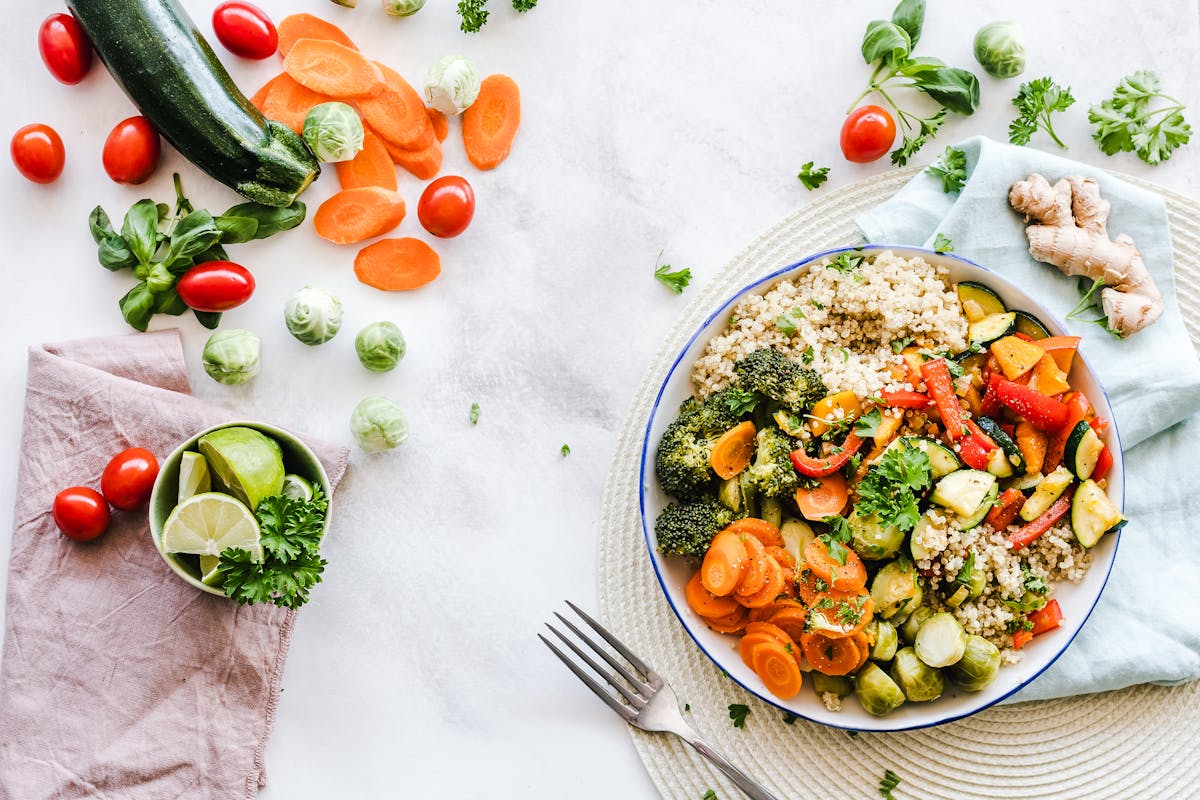
The Mediterranean diet isn’t a rigid prescription. It emphasises vegetables, fruits, legumes, whole grains, fatty fish, olive oil, and nuts. It limits ultra-processed foods, refined carbohydrates, red meat, and added sugar. What makes it durable evidence isn’t a magic ingredient. It’s the overall pattern.
The Foods With the Strongest Individual Evidence
Within the Mediterranean pattern, some foods have more individual research behind them than others. These are worth knowing.
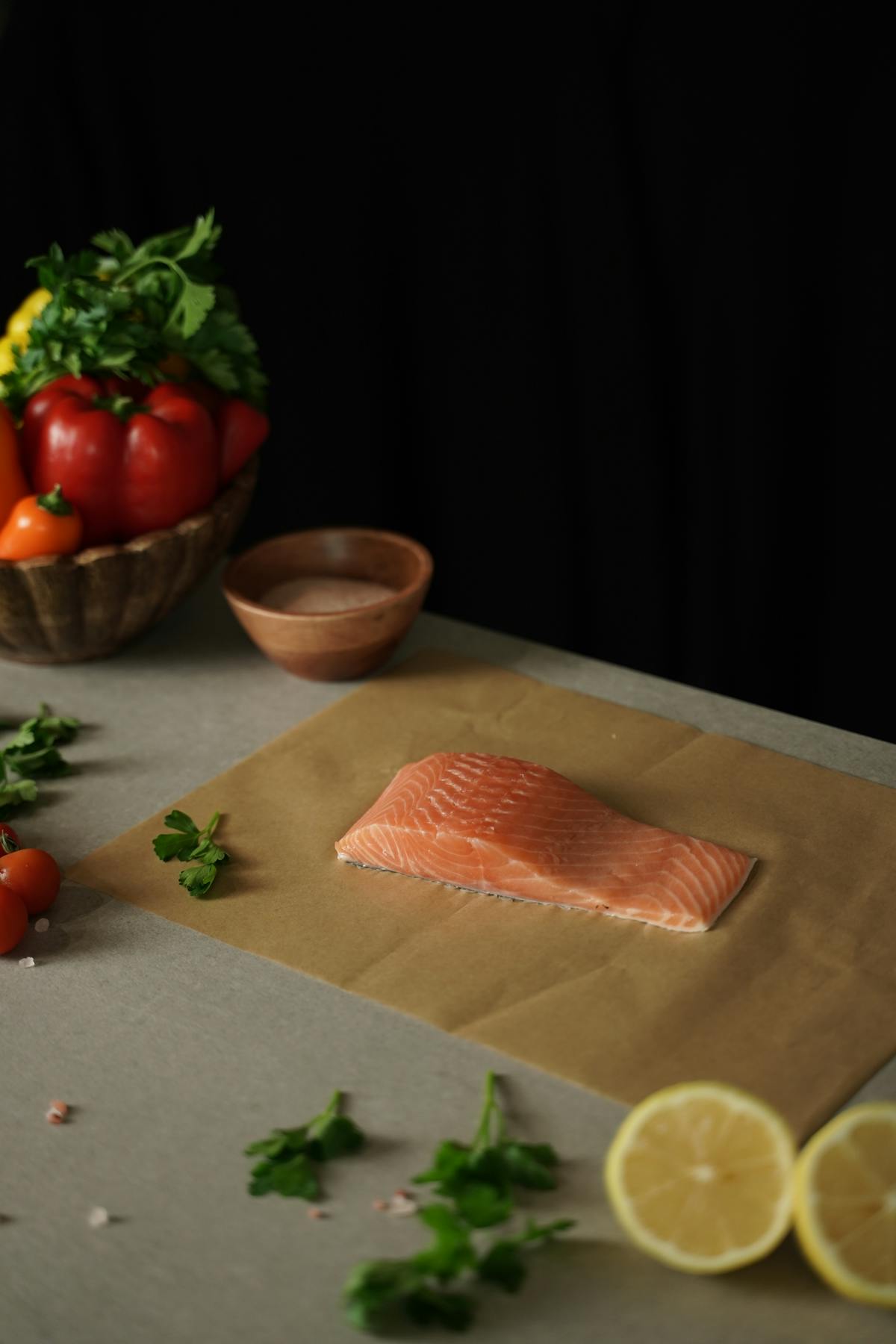
Fatty fish. Salmon, mackerel, sardines, and anchovies are high in EPA and DHA, the omega-3 fatty acids with the most consistent anti-inflammatory evidence. A 2022 umbrella meta-analysis pooling 148 trials found that omega-3 supplementation significantly reduced CRP, TNF-alpha, and IL-6, the key inflammatory markers clinicians measure. Two servings of fatty fish per week is the general guidance from most nutrition bodies.
Extra virgin olive oil. The primary fat in the Mediterranean diet, olive oil contains oleocanthal, a polyphenol with effects similar to ibuprofen in laboratory studies. The clinical evidence for olive oil specifically reducing inflammatory markers in humans is solid, particularly in the context of overall Mediterranean-pattern eating rather than as an isolated supplement.
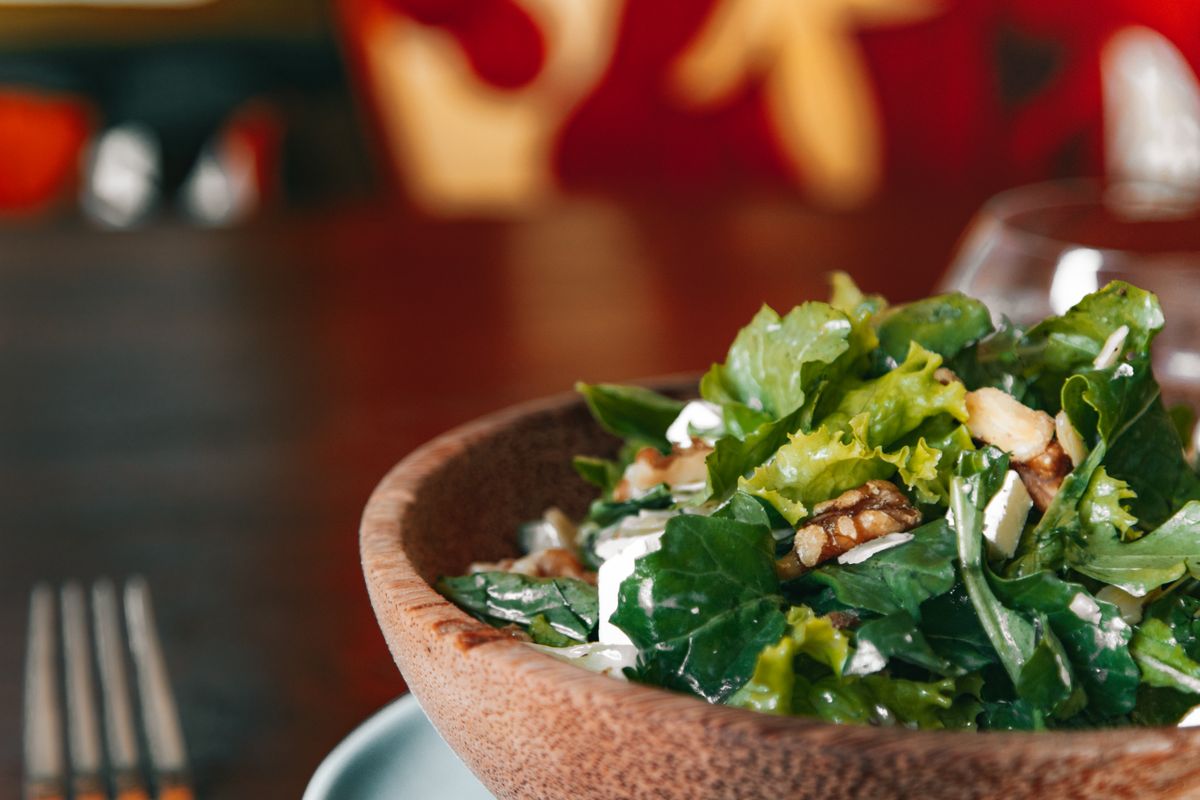
Leafy greens. Spinach, kale, rocket, and Swiss chard are high in vitamins K, C, and E, plus antioxidants including carotenoids. Population studies consistently associate higher vegetable intake with lower inflammatory markers, though isolating the mechanism of specific greens is harder than for fish or olive oil.
Berries. Blueberries, strawberries, and raspberries are rich in anthocyanins, plant compounds that reduce oxidative stress. Short-term intervention trials show reductions in inflammatory markers with regular berry consumption. They’re also high in fibre, which supports gut microbiome diversity, an increasingly important factor in the inflammation story.
Nuts. Walnuts in particular have a favourable omega-6 to omega-3 ratio compared to most other nuts. Regular nut consumption is associated with lower CRP in observational studies, and the PREDIMED trial, the largest randomised trial of Mediterranean-style eating, specifically included mixed nuts as a key component.
What Makes a Diet Anti-Inflammatory Overall
The honest answer is: eating mostly whole, minimally processed foods, limiting ultra-processed products, and keeping added sugar low. That’s less exciting than a list of superfoods, but it’s closer to what the research supports.
Ultra-processed foods – those made with industrial ingredients like emulsifiers, artificial flavours, and hydrogenated oils – are consistently associated with higher inflammatory markers in observational studies. Refined carbohydrates and added sugar drive insulin spikes and promote fat storage, both of which contribute to the inflammatory pathway. Red and processed meat in high quantities is associated with elevated CRP. None of this means a single biscuit causes inflammation. Pattern is what matters.
The Superfoods the Marketing Has Outrun
Turmeric. Ginger. Green tea. Matcha. Bone broth. These appear constantly in anti-inflammatory content, and they’re not without any evidence. But the evidence is mostly from laboratory studies, small trials, or studies using doses far higher than you’d get from a typical serving of food.
Turmeric is a good example. Curcumin, its active compound, genuinely has anti-inflammatory properties in cell studies. Human trials using curcumin supplements show some effects on inflammatory markers, but standard culinary doses in food are much lower than supplement doses, and curcumin has very poor bioavailability without piperine (black pepper). Cooking with turmeric is fine. Expecting a turmeric latte to significantly reduce your chronic inflammation is a different claim.
The pattern holds across most “superfood” marketing. The gap between “contains compounds with anti-inflammatory properties” and “meaningfully reduces chronic inflammation in humans at normal dietary amounts” is large. Berries and fatty fish have cleared that bar. Most superfoods have not.
Alcohol, Sugar, and the Foods That Work the Other Way
If you’re thinking about eating more anti-inflammatory foods, it’s worth knowing which foods reliably move in the opposite direction.
Added sugar is probably the most significant. High sugar intake drives elevated blood glucose, insulin resistance, and visceral fat accumulation, all of which promote inflammatory signalling. Cutting added sugar isn’t glamorous content, but the evidence for it is more consistent than for most of the positive additions.
Alcohol at high intake raises CRP and promotes gut permeability, which allows bacterial endotoxins into the bloodstream and triggers an immune response. Low-to-moderate intake has a more complex picture, but heavy or regular drinking clearly raises inflammatory markers.
Trans fats, still present in some commercially processed foods, are strongly pro-inflammatory. In countries where industrial trans fats aren’t fully regulated, they remain a significant dietary risk. Partially hydrogenated oils on an ingredients list are a reliable signal to put the product back.
Frequently Asked Questions
What are the best anti-inflammatory foods to eat every day?
The foods with the strongest evidence are fatty fish (salmon, mackerel, sardines), extra virgin olive oil, leafy greens, berries, and nuts, particularly walnuts. Together they form the basis of the Mediterranean dietary pattern, which Harvard research associates with a 25% reduction in cardiovascular risk. No single food is sufficient; the pattern across the whole diet is what drives the benefit.
Does an anti-inflammatory diet actually reduce inflammation?
For chronic low-grade inflammation, yes, with caveats. Observational studies consistently show lower inflammatory markers (CRP, IL-6, TNF-alpha) in people following Mediterranean-style dietary patterns. Intervention trials with omega-3 fatty acids show significant reductions in CRP. But diet is one driver among several. Sleep, stress, exercise, and body weight also significantly influence inflammatory status.
Is inflammation always bad?
No. Acute inflammation is essential and protective – it’s your body healing from injury or fighting infection. The kind linked to disease is chronic low-grade inflammation: a persistent, low-level immune activation without a clear trigger, running quietly over months and years. When people talk about anti-inflammatory eating, chronic inflammation is what they mean, not the kind that helps a bruise heal.
How long does it take for an anti-inflammatory diet to work?
Short-term intervention trials show measurable changes in inflammatory markers within four to twelve weeks of dietary change. The PREDIMED trial, one of the largest randomised studies of Mediterranean-style eating, found significant cardiovascular benefit over a median follow-up of 4.8 years. You’re not building toward a one-time outcome; you’re shifting a long-term baseline, so consistent habits over months and years matter more than short-term intensity.
Can anti-inflammatory foods help with skin health?
There’s reasonable evidence connecting chronic inflammation to skin conditions including acne, eczema, rosacea, and accelerated skin ageing. The specific dietary research for skin outcomes is thinner than the cardiovascular research, but the mechanisms are shared. Omega-3 fatty acids, a Mediterranean dietary pattern, and reduced sugar intake show the most consistent associations with clearer skin in the available studies.
The anti-inflammatory eating story is both simpler and less dramatic than most of the content about it suggests. Eat plenty of vegetables, prioritise fatty fish twice a week, use olive oil generously, eat berries often, add nuts to your daily routine, and limit ultra-processed foods and added sugar. That’s the whole prescription. No supplements required, no rare ingredients, and no miracle single food.
The evidence for this pattern – particularly for cardiovascular health and inflammatory markers – is among the most replicated in nutrition science. That’s worth more than any superfood claim you’ll see this week.
Comments are closed.