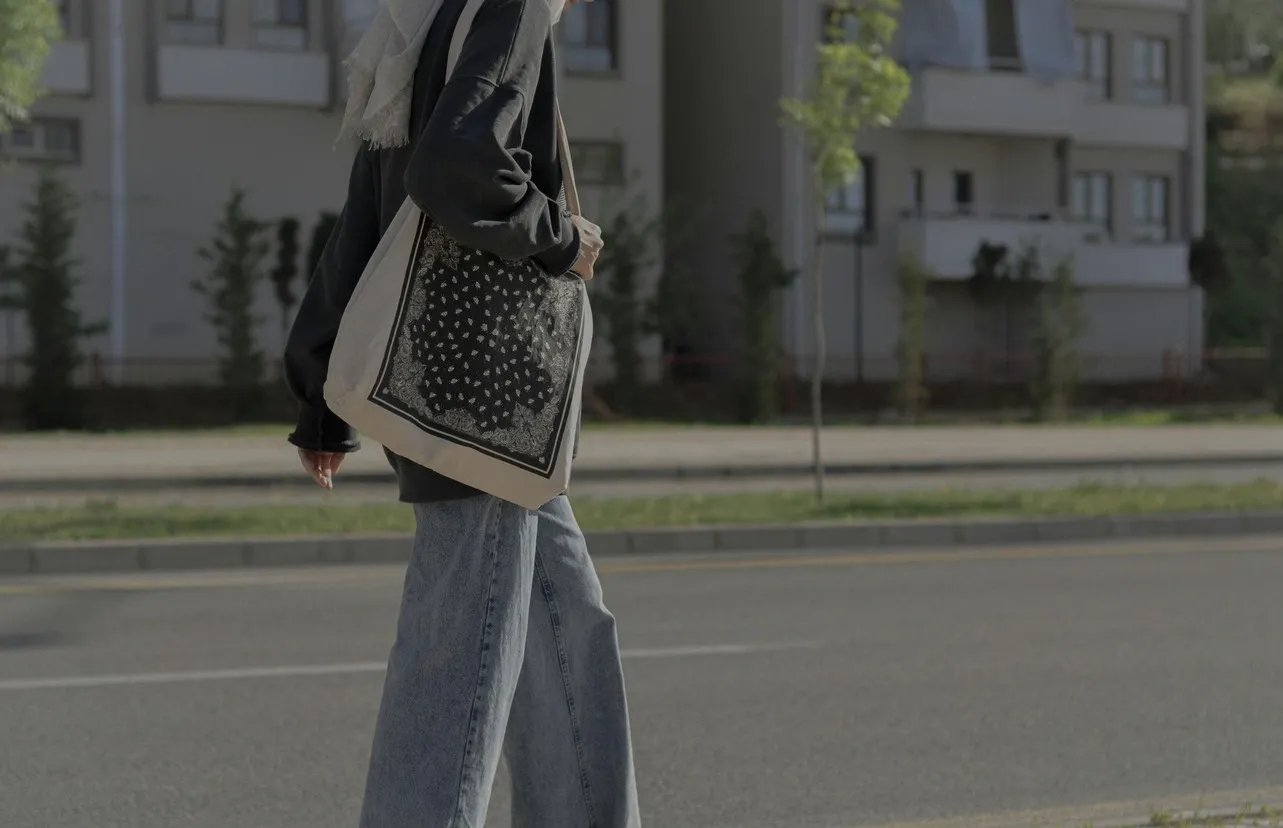
You own at least four tote bags you don’t remember acquiring. One is from a bookstore you visited once in 2019. One has a brand on it that no longer exists. And somewhere in your closet, there’s a third one from a conference – “SYNERGY SUMMIT 2022” emblazoned in Comic Sans – that you keep meaning to throw away but never do.
Welcome to tote culture. Population: everyone.
It Started With Ice (No, Really)
The tote bag’s origin story is embarrassingly unglamorous. In 1944, L.L.Bean introduced a heavy canvas bag designed to carry ice blocks from the car to the freezer. That’s it. That’s the whole brief. Nobody looked at it and thought: this will one day be carried by supermodels and sold for four hundred dollars at Net-a-Porter.
And yet, here we are.
By the 1980s, New York’s Strand Bookstore started printing its now-iconic design on cotton totes, effectively creating the “I am a person with taste and possibly opinions about literature” accessory category. Then The New Yorker handed out branded totes to subscribers as a promotional item – and suddenly carrying a bag became a declaration of intellectual identity. Not what you’d expect from an object invented to schlep frozen water.
The word “tote” itself comes from a 17th-century term meaning “to carry,” derived, some linguists believe, from a West African word meaning the same. So when you sling your tote over your shoulder and head to the farmer’s market, you’re basically living history. In linen.
The Bag That Says Everything Without Saying Anything
Here’s the thing about tote bags that nobody admits out loud: they’re walking personality tests.
A Shakespeare and Company tote? You’ve been to Paris, you want people to know you’ve been to Paris, and you probably have thoughts about Hemingway. A Trader Joe’s Hawaii-exclusive tote has reportedly sold for $200 on eBay, because owning one signals that you were there – part of the scarcity game, in on the secret.
A Supreme tote says streetwear insider. A New Yorker tote says reader. A plain canvas tote with no branding says you’re above all this – which is, of course, also a statement.
This is the delicious paradox of the tote: it’s the most democratic bag format in existence – cheap to make, easy to carry, endlessly useful – and yet it’s become one of fashion’s most loaded signifiers. High-end labels figured this out fast. Louis Vuitton, Hermès, Balenciaga – all have turned the humble rectangle-with-handles into a luxury object. Hermès, famously, did it by sitting next to Jane Birkin on a plane and offering to make her a better version of a wicker basket she’d dropped on the floor. The rest is fashion mythology.
Why 2026 Belongs to the Tote (Again)
If you assumed the tote was peaking a few years ago and would quietly retire like the crossbody or the dad cap, you’d be wrong. This season’s most coveted totes are oversized, softly structured, and built for people who have a lot going on. Think: roomy enough for your laptop, your lunch, your gym kit, and your existential crisis. Fashion editors are calling them “the ultimate investment piece” – which is either genuinely helpful or a very chic way of saying “buy a big bag.”
The sack-style tote – generous, relaxed, slightly unstructured – is the standout silhouette right now, satisfying what designers have identified as a consumer demand for “casual luxury.” Two words that should probably cancel each other out but somehow don’t when stitched together in good leather.
Animal prints are also having their moment on totes this season: zebra, python, cow patches. Because if you’re going to carry your entire life in a bag, you might as well carry it dramatically.
The Hoarding Problem Nobody Talks About
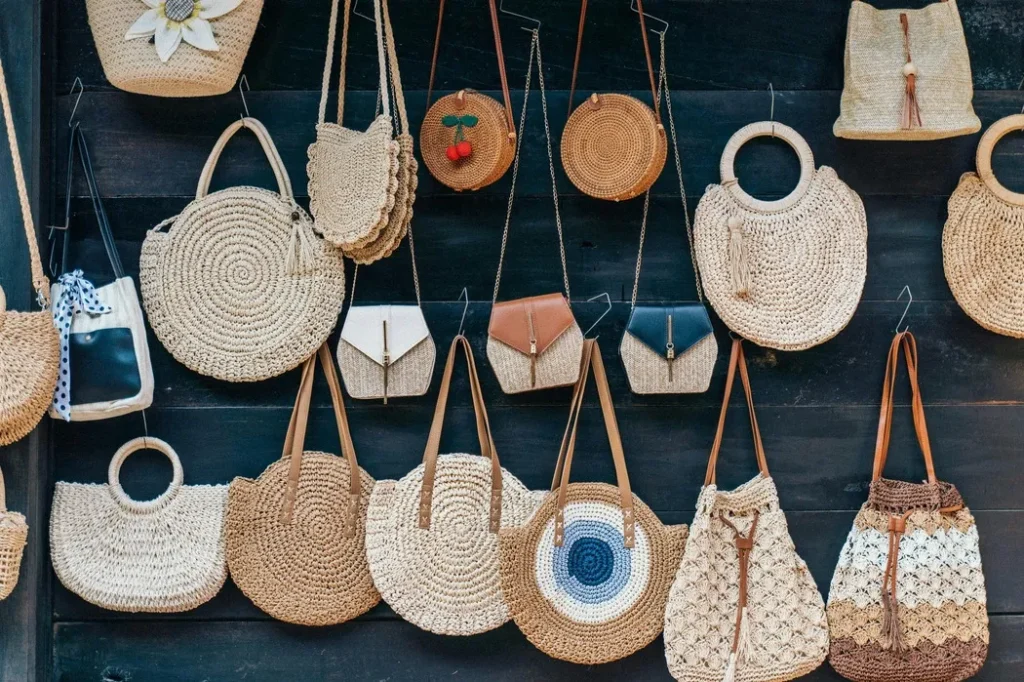
There’s a darker side to all of this. You know it. I know it.
Tote bags pile up in closets, dangle from door handles, and breed inexplicably in the boot of the car. We take them because they’re free. We keep them because we feel guilty throwing away fabric. We accumulate them because each one felt like a good idea at the time – the branded one from that gallery, the indie press’s literary tote, the three-euro canvas job from that market in Lisbon.
The irony: the bag invented to reduce waste has created its own quiet mountain of it.
So perhaps the most fashionable thing you can do right now isn’t buying the season’s chicest oversized sack tote. It’s using the four you already have. Rotate them. Commit to one. Let the Synergy Summit bag retire with dignity.
The tote bag started as a tool for carrying ice. It ended up carrying our identities, our politics, our reading habits, and our guilt about not recycling enough.
Honestly? For a piece of canvas with two handles, that’s a pretty remarkable career arc.
Comments are closed.